
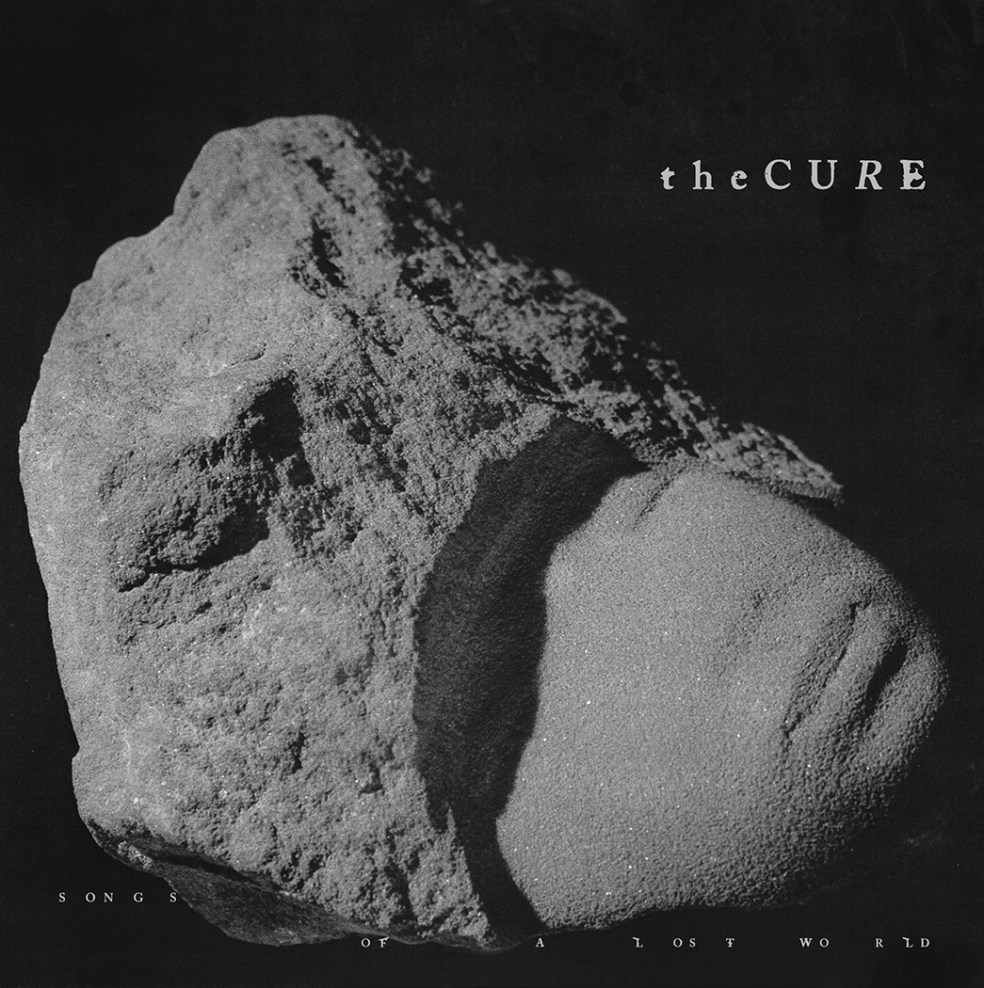
“Songs of a Lost World” is The Cure’s fourteenth studio album and was released on 1 November 2024. It has created a lot of expectation among diehard Cure fans, such as myself, because it comes sixteen years after their last studio album (“4:13 Dream”, 2008). But I think it’s more than that. Who among Cure fans of the eighties remembers an album called “4:13 Dream”? I certainly don’t. For me, there’s the first four albums – “Three Imaginary Boys” (1979), “Seventeen Seconds” (1980, with the epic “Forest” intro, though I was always very partial to “M”), “Faith” (1981, my God, that album got me into Oxford, no, not the album, the 12” version of “Faith” with “Charlotte Sometimes” on the other side, listening out of my bedroom window before going to bed), “Pornography (1982, somehow I feel this should have been their earliest album) – plus “Disintegration” (1989). I left off listening to The Cure after “Disintegration”. Was it that awful album “Wish”, or just the fact my life took another direction, I went abroad and had other things to think about? “Songs of a Lost World” has reunited us all with our past.
And it was an epic past. Robert accompanied us through adolescence and into adulthood. He formed us, somehow. Most of my university friends will remember me for liking The Cure. That was a defining characteristic, something that set me apart. It may even have taken me off the rails. I underperformed at university, and I think that is due, in part at least (add in the fact that no other decade has surpassed the eighties in terms of quality music), to my obsession with The Cure.
Now, “Songs of a Lost World” makes all of that (and believe me, there has been some soul searching along the way) worthwhile. Robert gifts us a look into our past, just as with the epic “Endsong” he himself looks into his past, standing outside in the garden with his father at the time of the Moon landing in 1969 and wondering if there could really be people up on this white, blood-red orb.
What sets Robert apart as a musician is that he doesn’t mince his words. He doesn’t claim that there is some small light at the end of the tunnel most of us find ourselves in. There is simply “nothing”. That old world, the world we felt comfortable in, the world of the eighties, has disappeared and, much as we might wish it would return, it won’t. We are faced with economic instability, environmental degradation, and not enough time for anything really. It’s like time, which used to be so generous, suddenly became stingy. We are rationed. We grab some release here or there, but soon it’s back to the grindstone, trying to keep up, without the possibility of taking a step back and considering where our lives are headed because they seem to just be going round and round in circles. We are donkeys chasing our tails in a pathetic attempt to pay the bills.
Robert gives us time. He makes that time available. He hasn’t changed. Even if he says he is “left alone with nothing at the end of every song”, he carries on writing them. He can’t stop himself. The creative urge is irresistible. We know we’re not going to succeed – life, that hungry animal, is going to get us in the end. But we continue regardless. Because what other choice do we have? We can’t just down tools, go on strike. We have responsibilities.
There is a moment in this album that makes the last thirty-five years of waiting worthwhile. It is the instrumental bridge in the middle of “Endsong” (7:59 mins). I think at this point Robert and his fellow travellers – Simon, Jason, Roger, Reeves – grasp something of eternity. Damn, they take hold of it by the tail and fly off into the night sky, laughing inanely as the sparks scatter all around them. So, for all the times we have been fucked, all the times we have been treated badly, all the times life has let us down and there hasn’t been an answer, we have our moment of vindication, our moment of glorious, exploding hope.
Yes, tomorrow it will be back to the grindstone, to all the bureaucracy and demands that humans impose on each other because they can’t think of anything better to do. But now, even though we know the whole system is flawed, a human construct based on the desire to possess, we have our secret weapon. We have seen.
And this is what Robert gives us – vision. One of my favourite tracks on the album is “Warsong”. Honestly, it reminds of my late wife’s family. “All we will ever know is bitter ends for we are born to war.” This message could be taken to be pessimistic. Much of the album could be understood in this vein. It doesn’t seem to hold out much hope – of a better world, of kinder relationships (which is all we really hanker after), of a better understanding of our environment, the nature that gives us life and should be at the top of any political programme. This is why older people become so attached to animals. They see the goodness in them, the lack of deceit.
And yet it gives hope. It gives strength. And this is what Cure fans are so grateful for. Thank you. That rocket-speed launch into eternity is all I need. To know that it exists. What every human being is waiting for, and not getting, is a just world order (and perhaps not to have to die). This is the basis of all world religion – that we can be better than this, that we can act with kindness, that someone out there cares about us. Life is a journey towards the realization that greed, self-interest, the desire to possess, needs to be reined in. What life is there without forgiveness? Without mercy?
“Left alone with nothing. Nothing. Nothing. Nothing.” This is how the album ends. Yes, but it’s not “nothing”, is it? It’s something better than this.
Review by Jonathan Dunne, http://www.stonesofithaca.com
 Stones Of Ithaca