Pod Kamiko

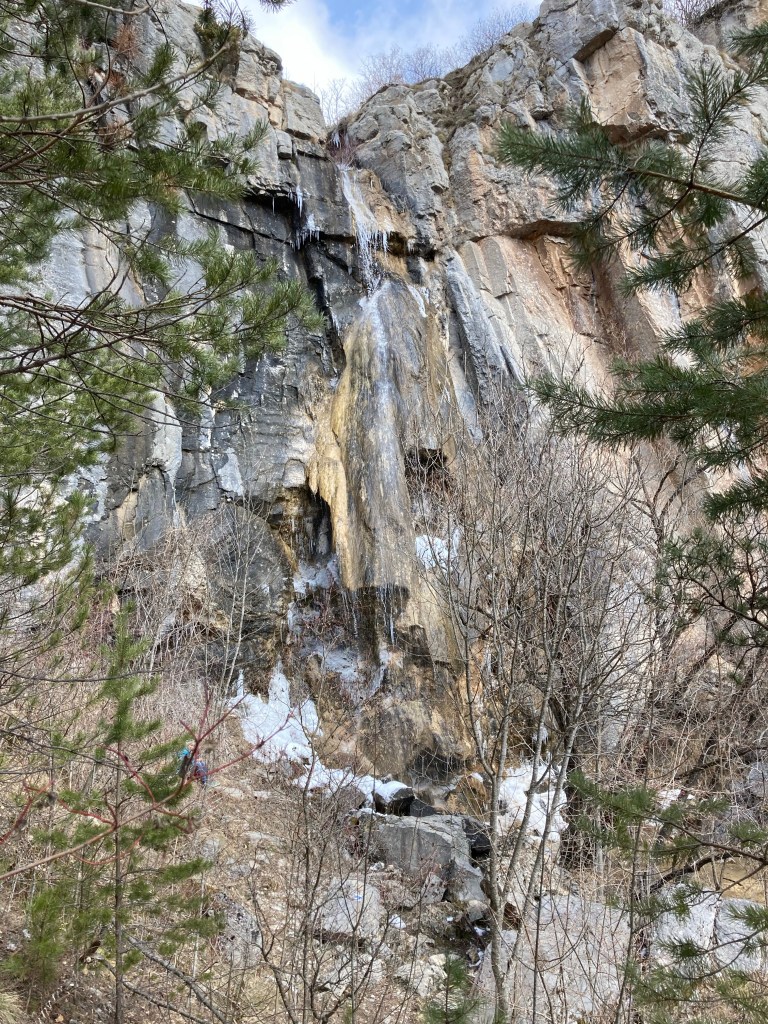
Bovska Skaklya, because of its height and dramatic setting, is perhaps better known, but Pod Kamiko is no less beautiful and worth every bit as much effort. There is a good ecopath that takes you from the stadium in Gara Bov to the waterfall, which is on the outskirts of the village of Bov. The walk to the waterfall takes you along the valley of the River Bov, and there are many smaller waterfalls along the way, some of them quite beautiful. The return takes you along the top of the gorge and back to the stadium from the east. The scenery is spectacular, and the waterfall one of the most beautiful I have seen.

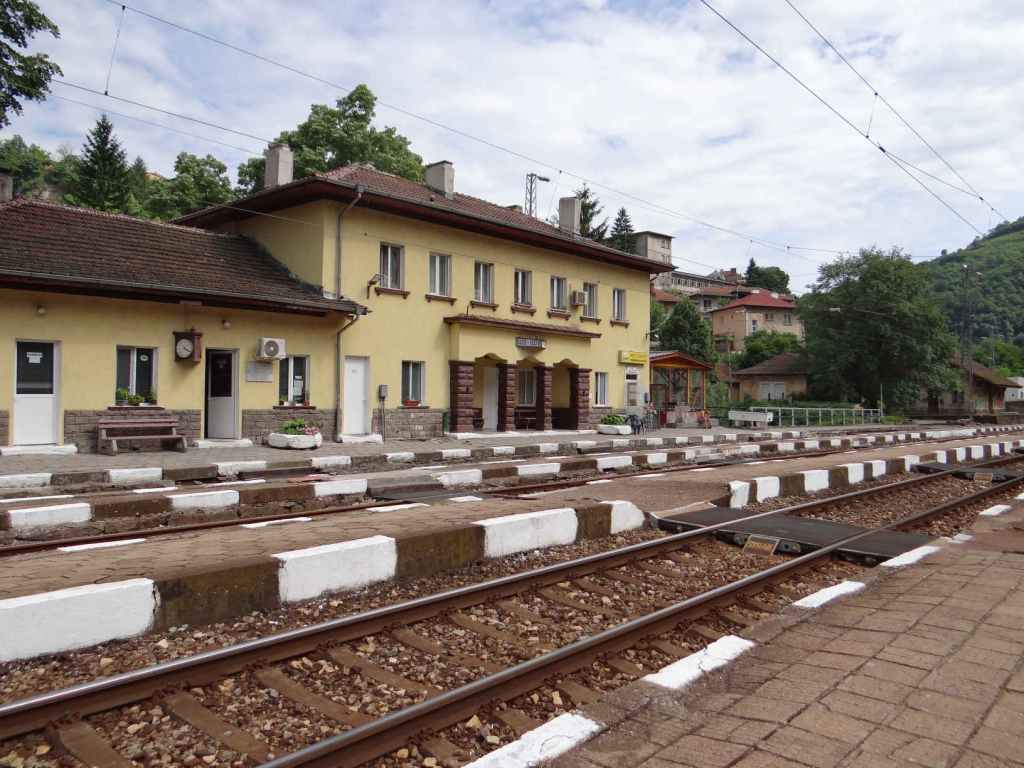
Again, to reach Gara Bov, you must take the II-16 from Sofia in the direction of Novi Iskar, Svoge and Mezdra. This road is very windy as it follows the course of the magnificent River Iskar on its way to the Danube, so even though the distance is not great, it takes its time, and there are several speed cameras. Eight kilometres after the picturesque town of Svoge – with its turning to Iskrets (from where you can reach Dobravitsa Waterfall) – you pass the sign for Bov. 1.1 kilometres after this sign, there is a turning on the right, signposted for Gara Bov (1 km) and Bov (4 km). Take this turning. You will drive along the railway, go left under the railway, pass the railway station again on your left. Continue uphill. As the road veers left, immediately on the right is the stadium. Park the car here. If you have travelled by train, exit the station, join the road as it goes uphill and in 800 metres you will be at the stadium.

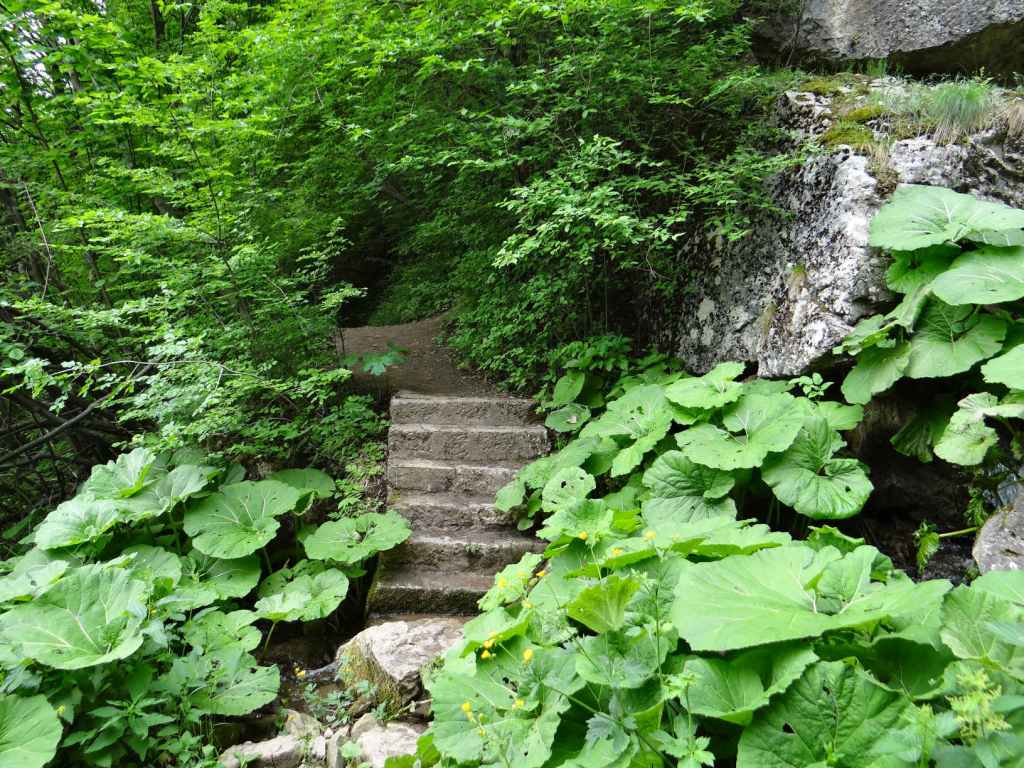
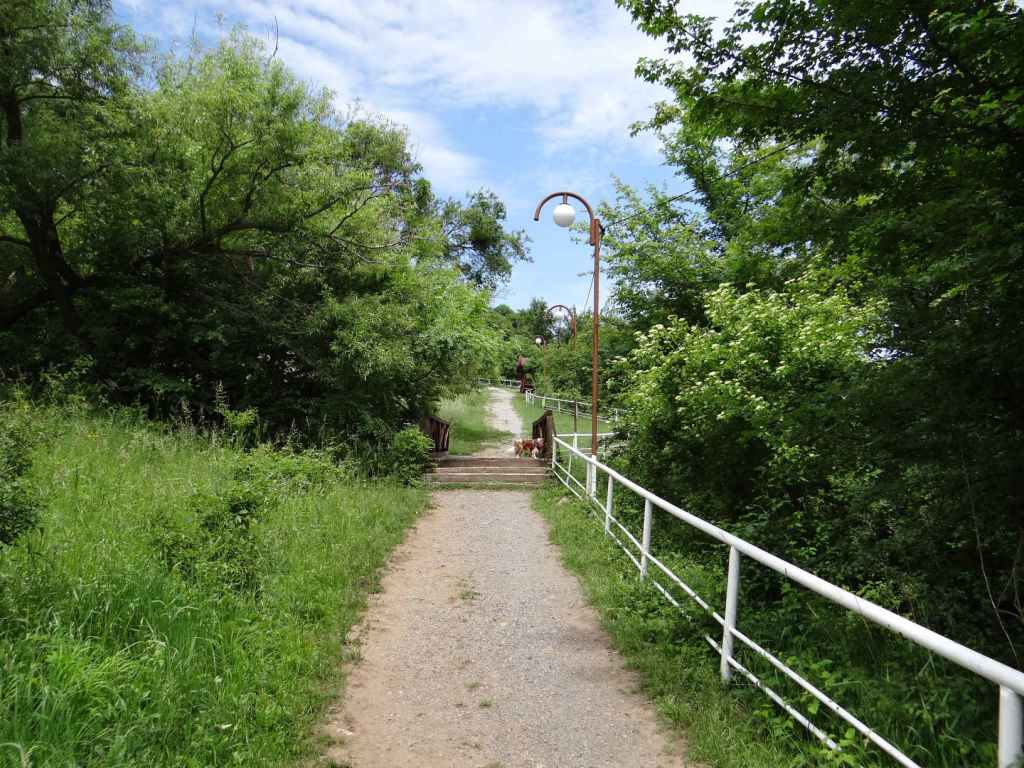
The ecopath heads north-east, along the course of the River Bov. It passes along the lefthand side of the football pitch and then immediately goes over a wooden bridge. Follow the green markers. The path is very well marked. It begins to climb, with the river on your left. After 700 metres, there is a turning on the right for a monastery, but continue straight. You will see a small waterfall on the left, and then the path again crosses a bridge. Keep following the course of the river, which is now on your right.

You will pass three more small waterfalls, then come out onto a flat rocky area next to the river. More small waterfalls follow on the right (a particularly beautiful one, 280 metres after the rocky area). A few more hundred metres, and you will again cross the river, using a stepping stone. The path now becomes a track and heads away from the river, but only for a short while before veering left again and bringing you out into the open, with the river down below you on your left. The path descends, crosses another bridge and climbs up the other side. When it reaches the top, turn right. In 200 metres, you will cross a small tributary, which immediately plummets down to the river on your right. The path does a zigzag. 340 metres after the tributary, a path on the left leads to the top of the waterfall. You will come back this way, but for now continue straight. You will cross a second tributary and, in less than a hundred metres, see the waterfall straight ahead. The distance from the stadium to the waterfall is 2.9 km and takes about an hour.

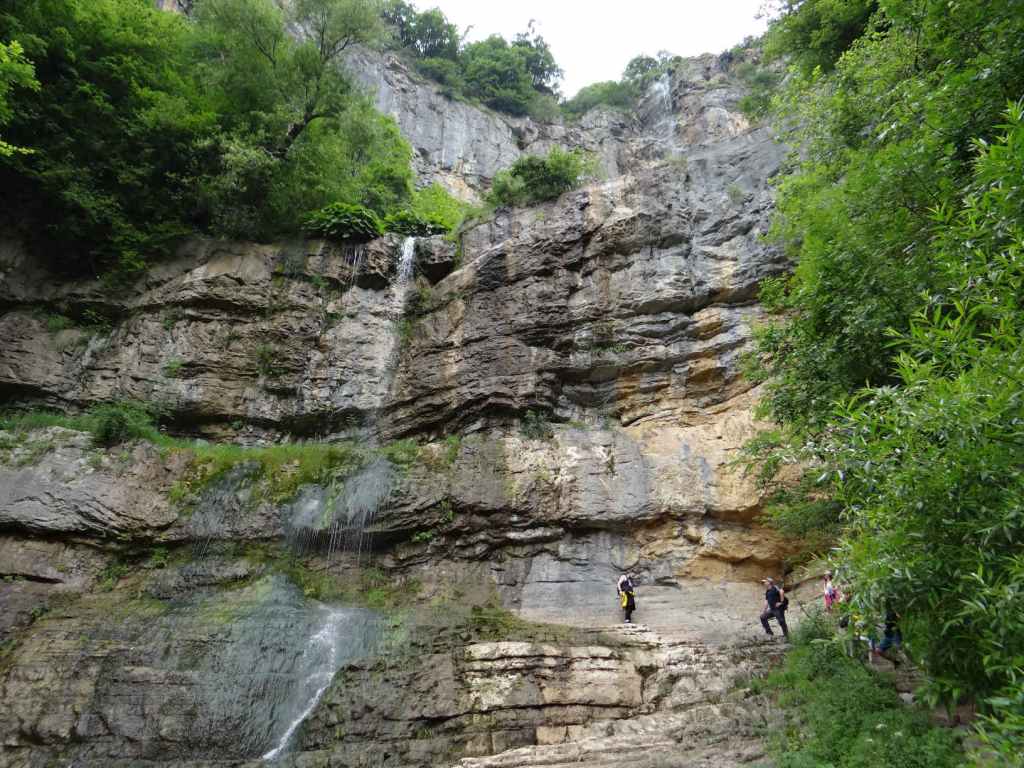
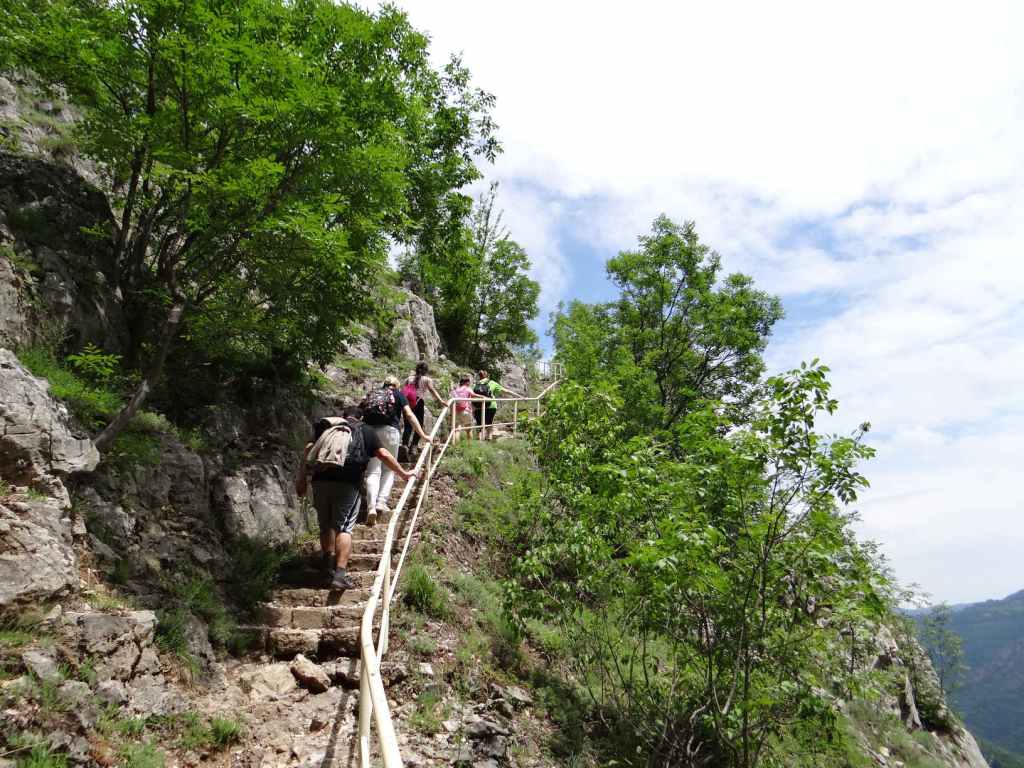
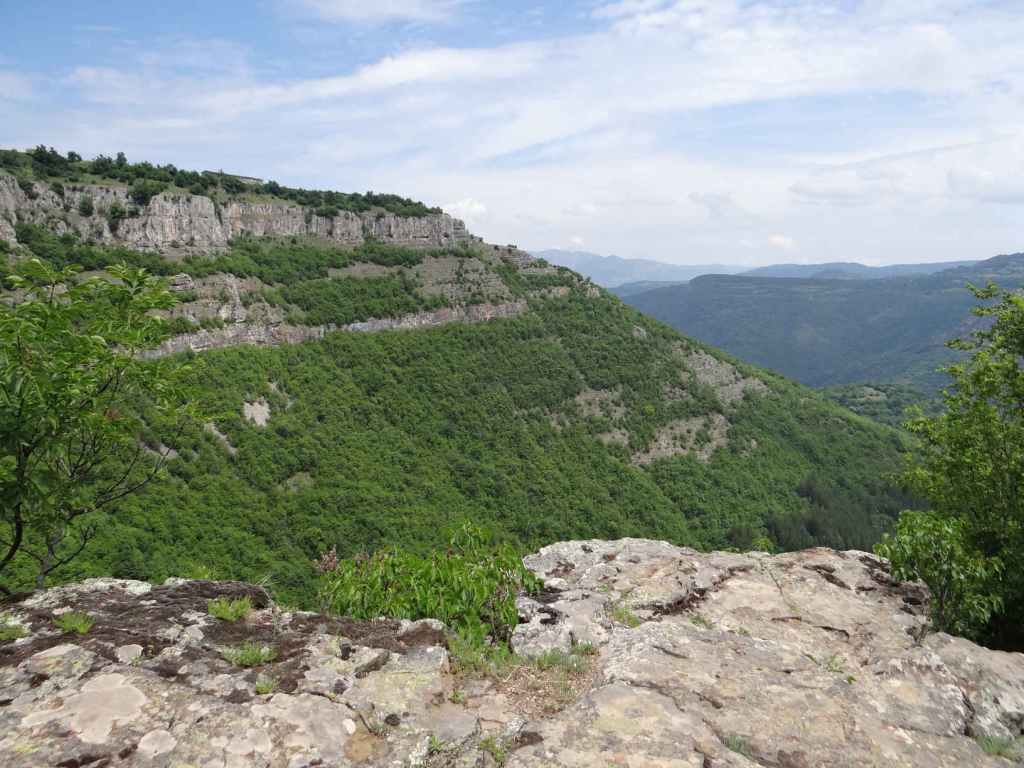
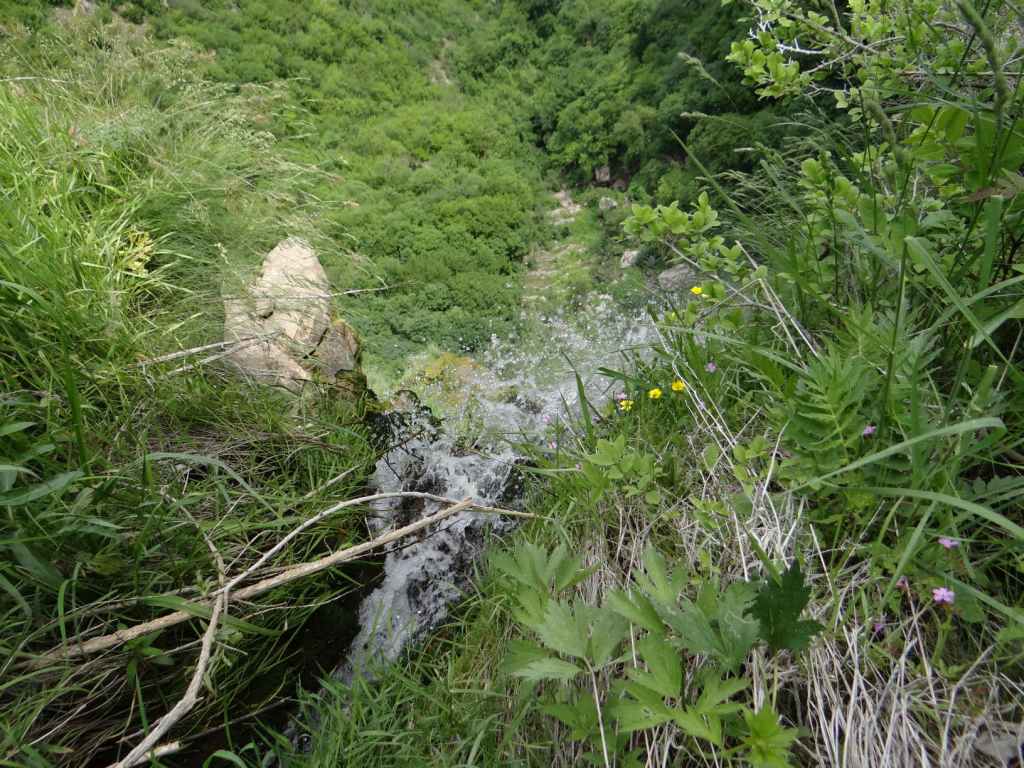
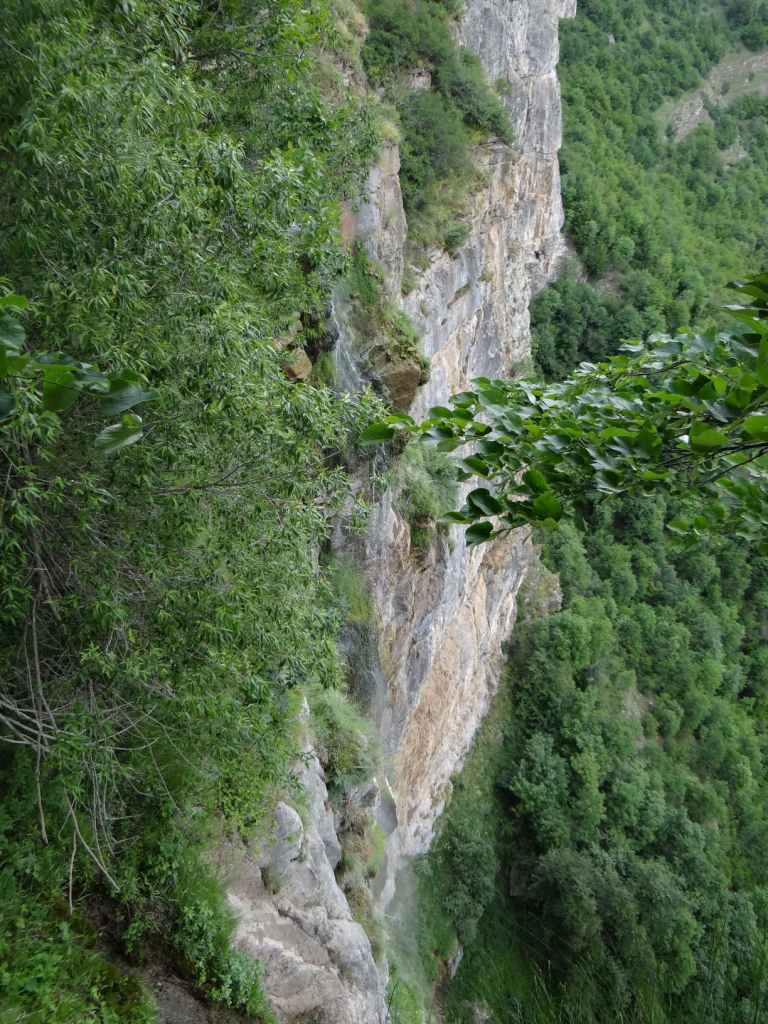
The waterfall is magnificent, especially if you go in spring or after heavy rainfall. There is a second, smaller waterfall to the left of this one, which you can see as you climb to the top of the gorge. So, when you have had your fill, return on the same path and take the path that diverges, now on your right, to the top of the waterfall. It is marked “above the waterfall”. It climbs steeply, offering views of both waterfalls, Pod Kamiko and the smaller one to its left, before taking you around the rocks, with views back to Gara Bov and Bovska Skaklya in the distance, and up to the village of Bov. You will not enter the village, but skirt along the top of the gorge. When I went in May, the path here was very overgrown. You basically want to head back in the direction of Pod Kamiko. The path takes you over the top of the smaller waterfall and joins a track. Go right here, and in a short while it will bring you to the top of Pod Kamiko. There is a wooden bridge on the left. Please do not go too close to the edge.

When you are ready, continue along the track, which passes a house on the left. When I was here, the track was blocked by cows and their calves, so I had to make a detour through one of the fields and rejoin the track a little further on with my dog. In 750 metres, the track passes a fountain on the left and then enters a field on the left, but you want to continue between a picnic area on the right and a stone cross on the left. In another 200 metres, you will come to a blue gate. Stay on this track, again avoiding the temptation to enter fields on your left.

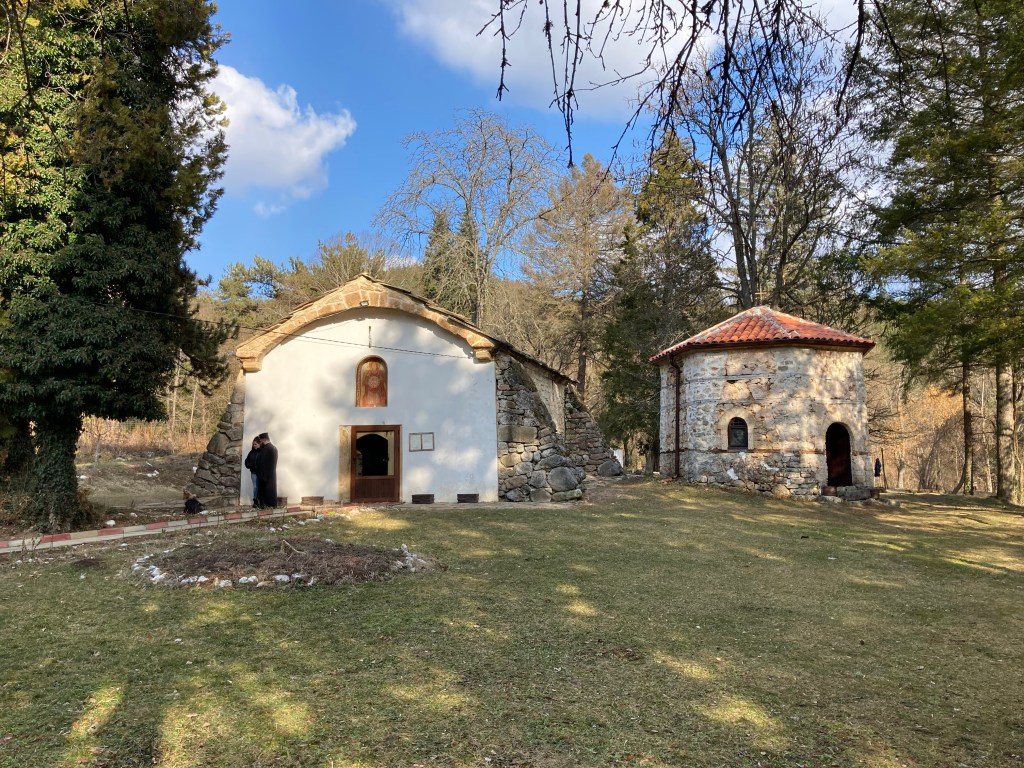
In 370 metres, there is another fountain next to a ruined house. The path now enters a field and then continues on the right. As it descends, you will have views of Tserovo (the village before Bov) on the left. Keep descending through the forest. The path zigzags, left-right-left, and in 800 metres reaches a larger picnic area with a small chapel. This is a good place to rest. From here, the path continues left. In 750 metres, it joins a larger track by the River Treskavetz. Go right here, and in one kilometre you will be back at the stadium. The whole route is 7.6 kilometres and took me 3½ hours with ample breaks.
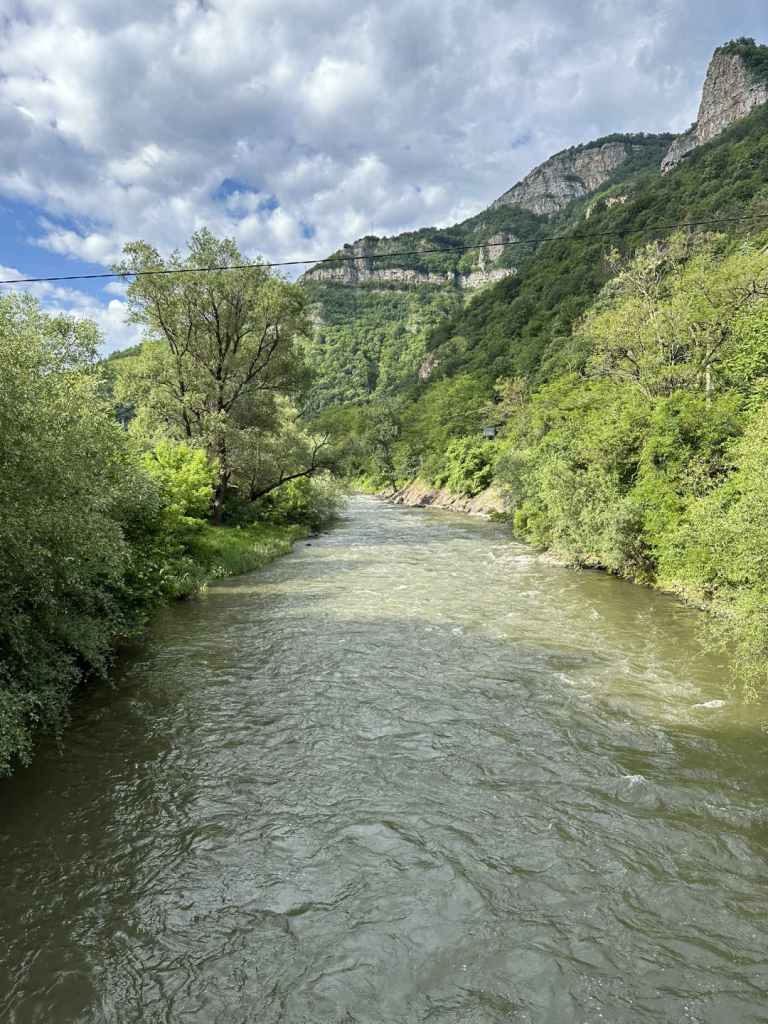
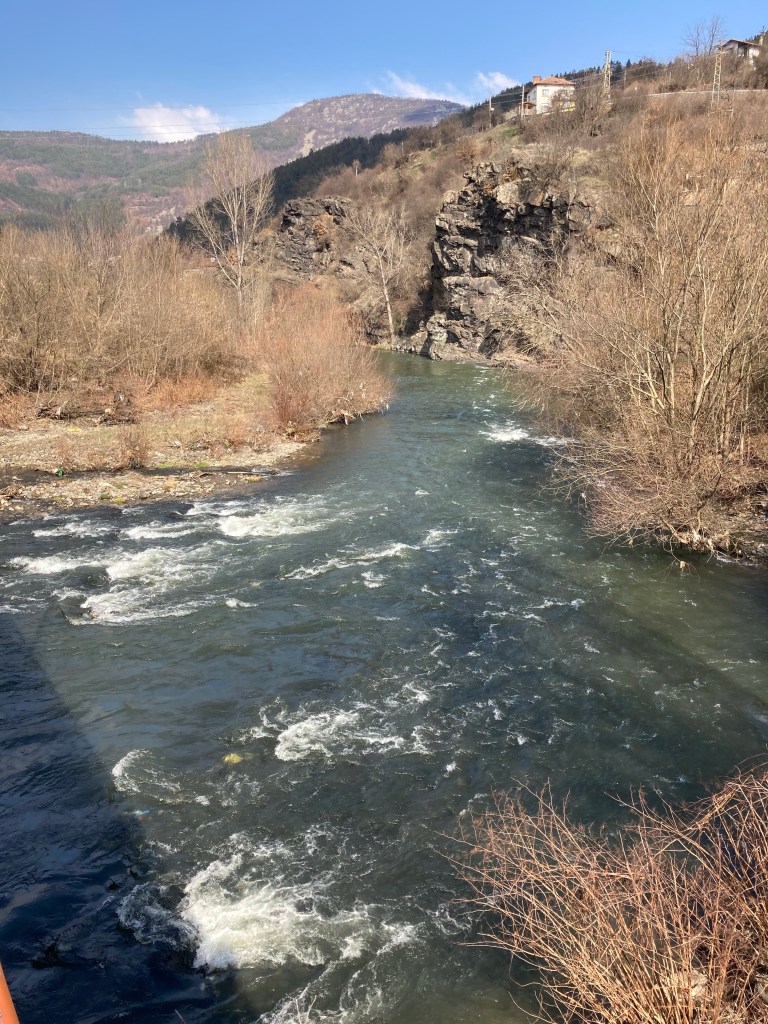
The River Iskar as it passes by Bov.
Gara Bov, the railway station.
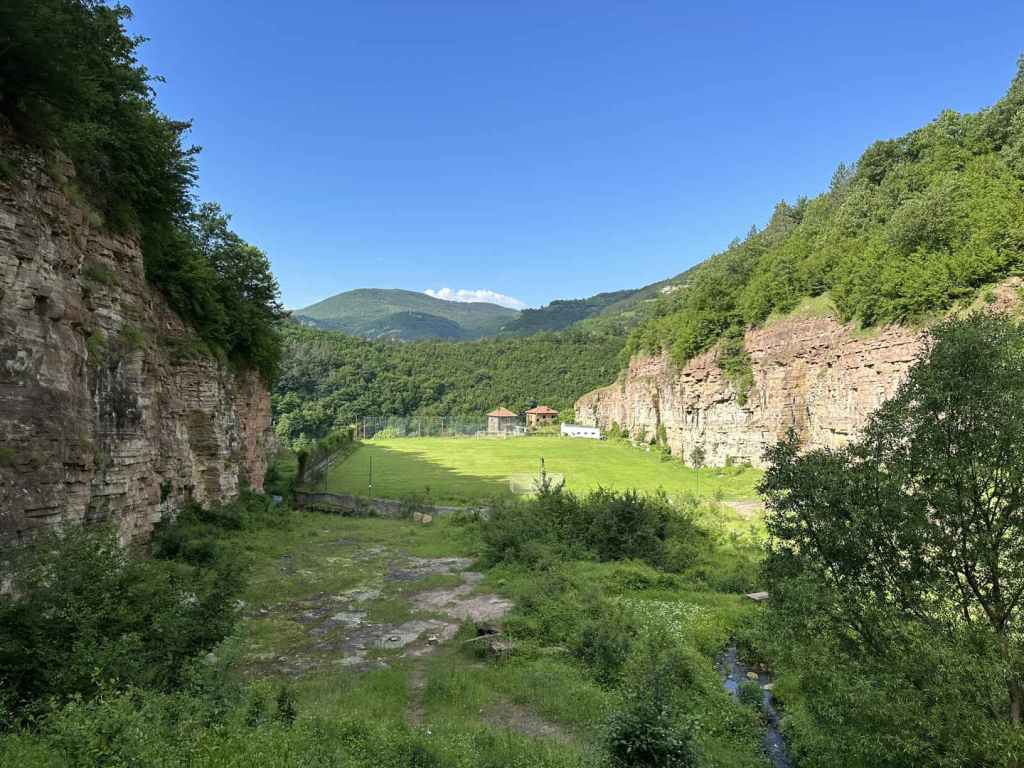
The stadium in Gara Bov.
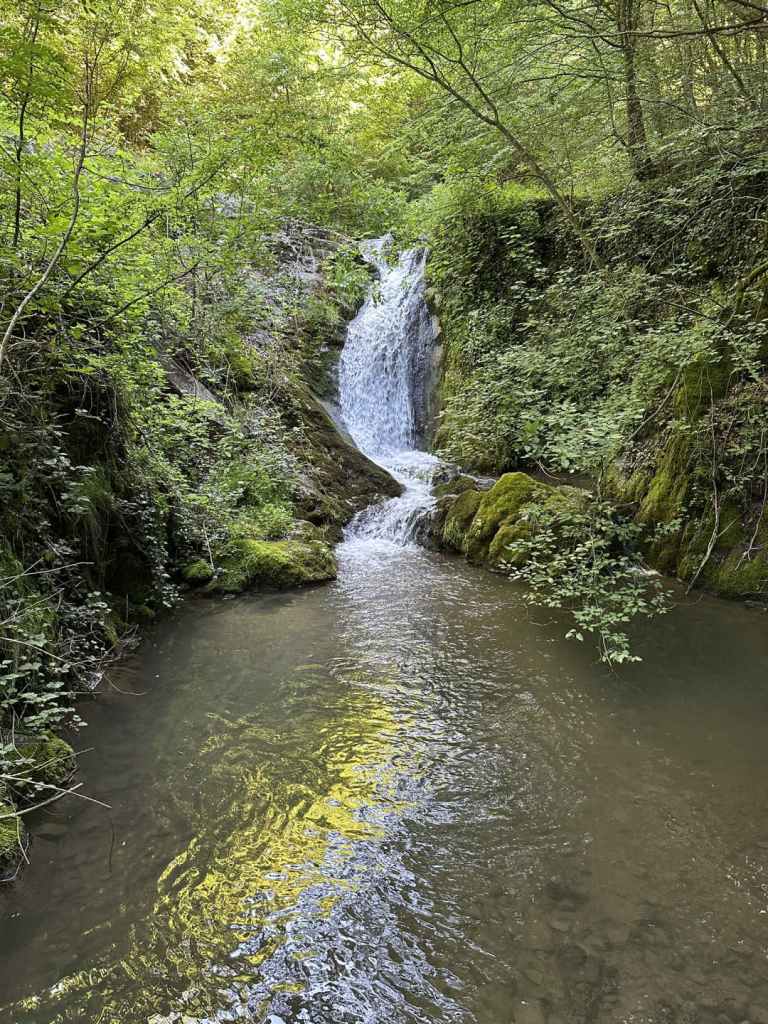
The most beautiful of the smaller waterfalls on the way.
One of the wooden bridges.
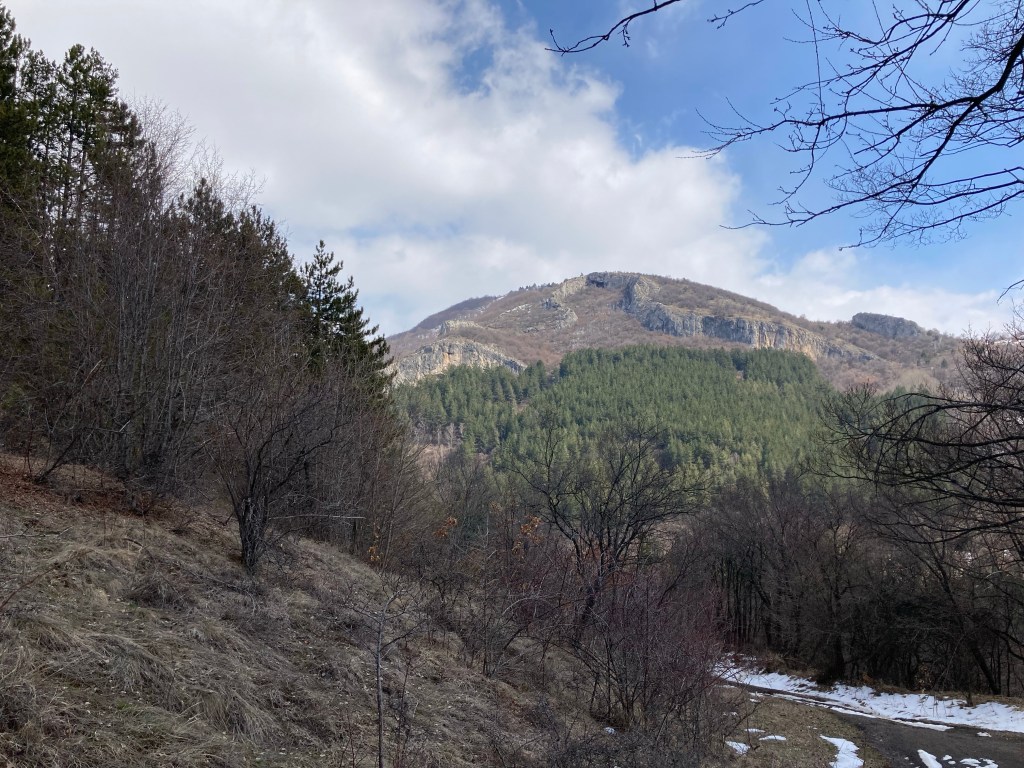
Pod Kamiko Waterfall.
A view of the top, the water glistening in the sunlight.
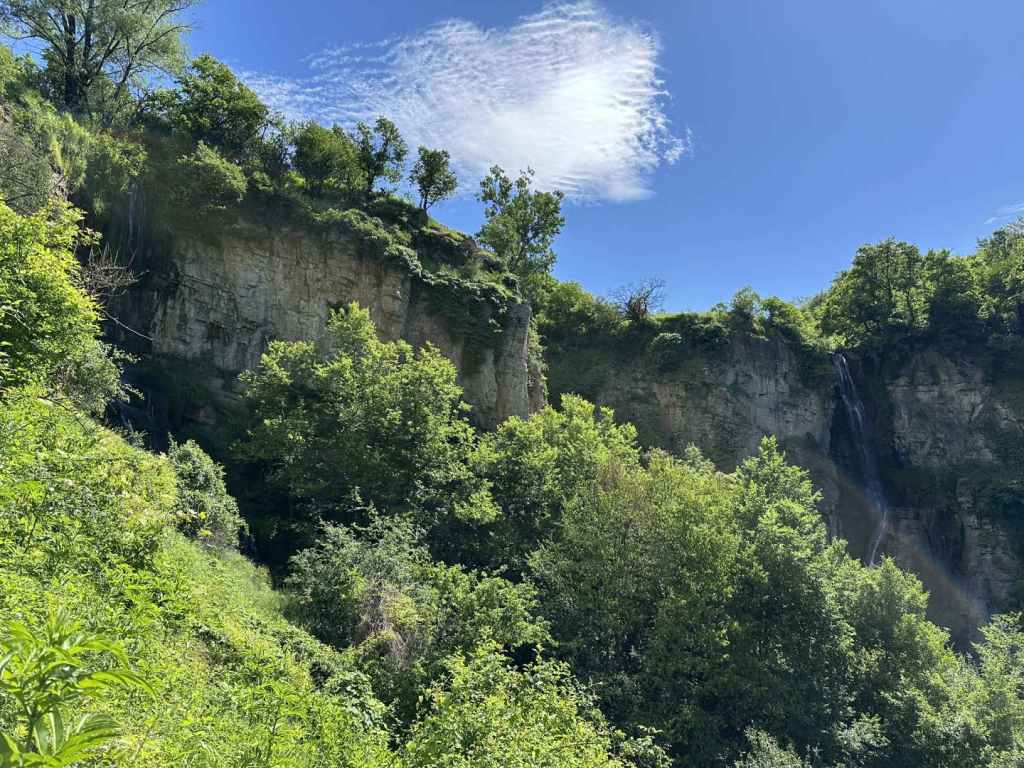
A view of both waterfalls (the smaller one is just visible on the far left).
The rocks at the top of the gorge.
The track leading to the top of Pod Kamiko.
The view from the top of Pod Kamiko.
Cows blocking the road!
The blue gate.
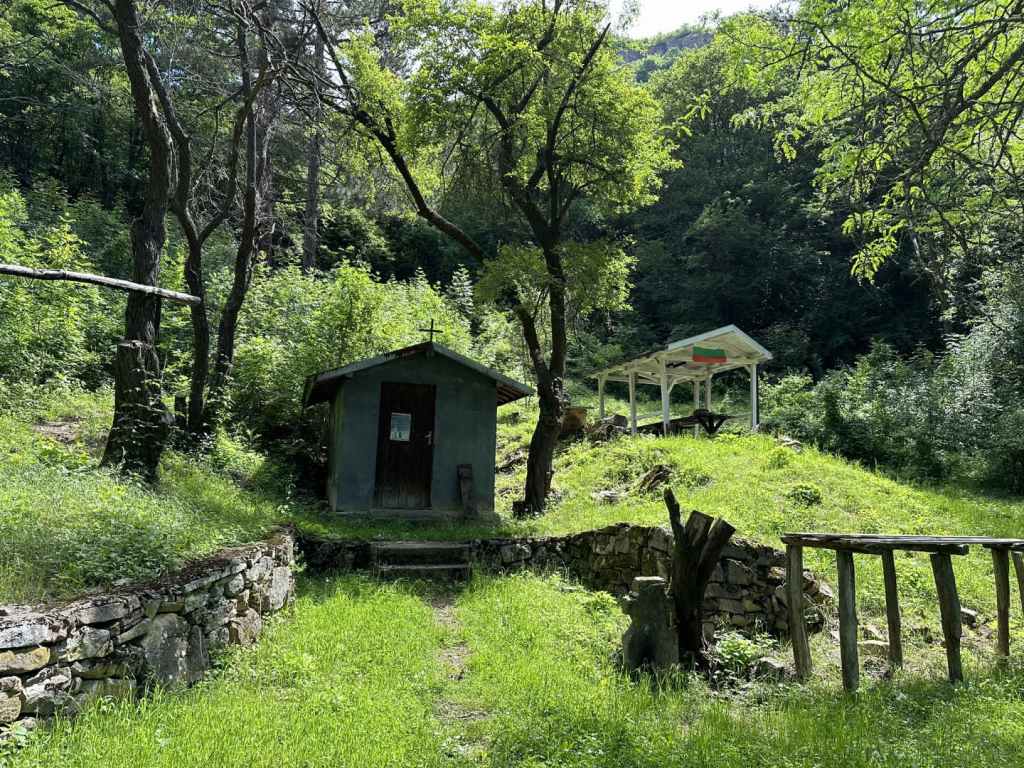
The chapel and picnic area.

Bovska Skaklya

At 85 metres, Bovska Skaklya (‘Bov Waterfall’) is one of the highest in Bulgaria. Like Polska Skakavitsa, it can easily be reached by train from Sofia. The journey takes an hour, and there are regular services during the day (see the excellent Bulgarian State Railways website for train times, https://www.bdz.bg/en).

Bovska Skaklya is located at the halfway point between the villages of Bov (down below) and Zasele (up above). An ecopath has been built between these two villages to incorporate the waterfall and is named after the famous Bulgarian poet Ivan Vazov, who apparently used to enjoy walks in this area. There is some suggestion that you should descend from the village of Zasele, make your way down to the waterfall and the village of Bov and then climb back up again. Since it seems to me to make more sense to get the climbing in early in the day, I suggest starting in Bov. Also, Bov is the stop on the railway line from Sofia and is on the main road from Svoge to Mezdra, the II-16.

If you insist on starting in Zasele, located above the waterfall, then you will need a car. As you leave the village of Tserovo, five kilometres after Svoge, there is a turning left signposted for Zasele (7 km). Follow this winding road uphill until you come to the centre of Zasele, where there is a tarmac square. The ecopath starts from here.

Otherwise, continue to Bov, three kilometres after Tserovo. Ignore the turning right, signposted Gara Bov (‘Bov Station’), and continue on the main road for another 400 metres, taking a turning left signposted for Skaklya. This narrow road continues for 1.4 km to the start of the ecopath, but be careful. 200 metres before the end of the road, the road divides – keep left, going uphill, until you come to a small area next to a house, with the river on your right, where you can park the car. For those travelling by train, alight at Gara Bov and walk 400 metres down to the main road (leave the station, turn right, go under the railway and follow the road as it veers right and crosses the River Iskar). Once you reach the main road, turn right, continue for 400 metres until you reach the turning for Skaklya and then follow the previous directions.

From where you park the car, you have a forty-minute steady climb through the forest to the bottom of the waterfall. The forest is magical, and there are some wonderful views back the way you have come. Once you reach the waterfall, another forty-minute climb, slightly stiffer this time, will take you to the top. As you get higher, there are steps and a railing to hold onto. You really get an impression of the height of the waterfall because you are climbing it! At the top is an open area of grass with several picnic tables. Continue to the village of Zasele, perched on top of the rock, and you will come across one or two restaurants and guest houses if you wish to stay the night (though I understand you have to book ahead).

The best time for visiting waterfalls is immediately after the snow melts – second half of April, first half of May. This is when the flow of water is at its strongest. We went at the beginning of June, so already the flow had declined somewhat. In autumn, it becomes a trickle. We first visited the waterfall ten years ago, in November. There wasn’t much water left, but the autumnal colours of the trees more than made up for the lack of watery fireworks!

Bovska Skaklya is not far as the crow flies from another waterfall, Dobravitsa (except that for Dobravitsa, you have to leave the main road in Svoge and follow the signs for Iskrets and Breze). From Gara Bov, another ecopath takes you to the waterfall Pod Kamiko. This ecopath starts from the stadium in Gara Bov and is circular, so you don’t have to come back the way you went (see the map on the road outside the station).

Gara Bov.
The turning for Skaklya. There is also a sign saying ‘Touristic Road “Vazov’s Path”, 1.4 km’.
200 metres before the ecopath begins, the road divides – keep left here.
There is a small area to park the car where the road peters out and the ecopath begins.
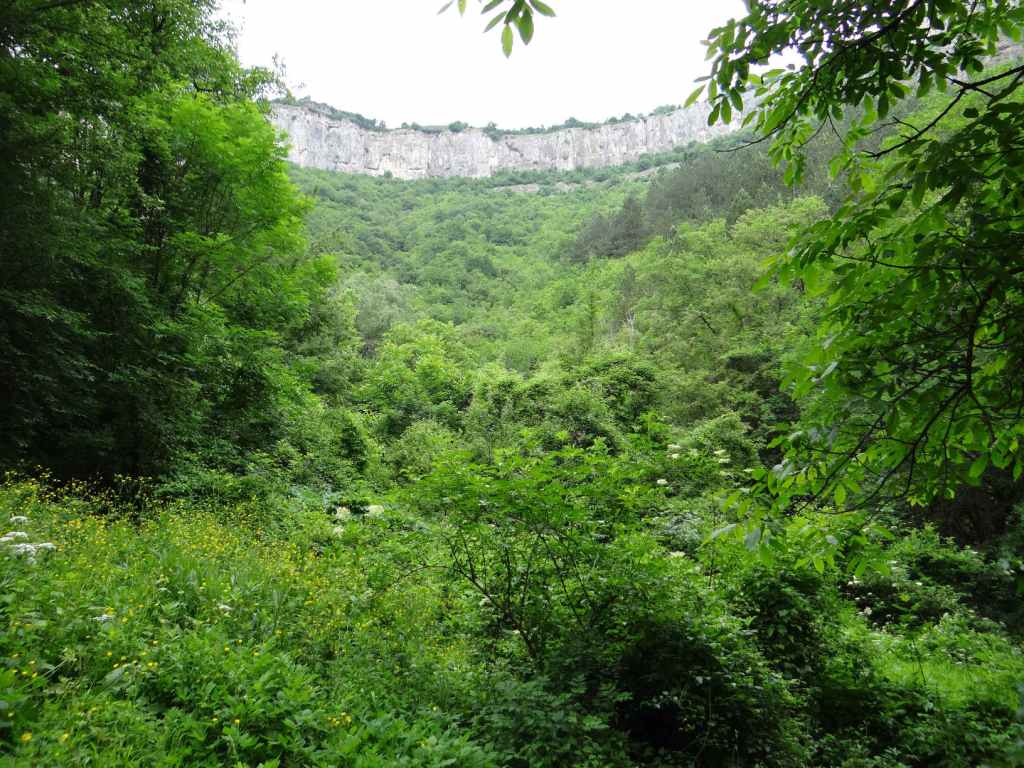
A view from the ecopath of the rocks up above.
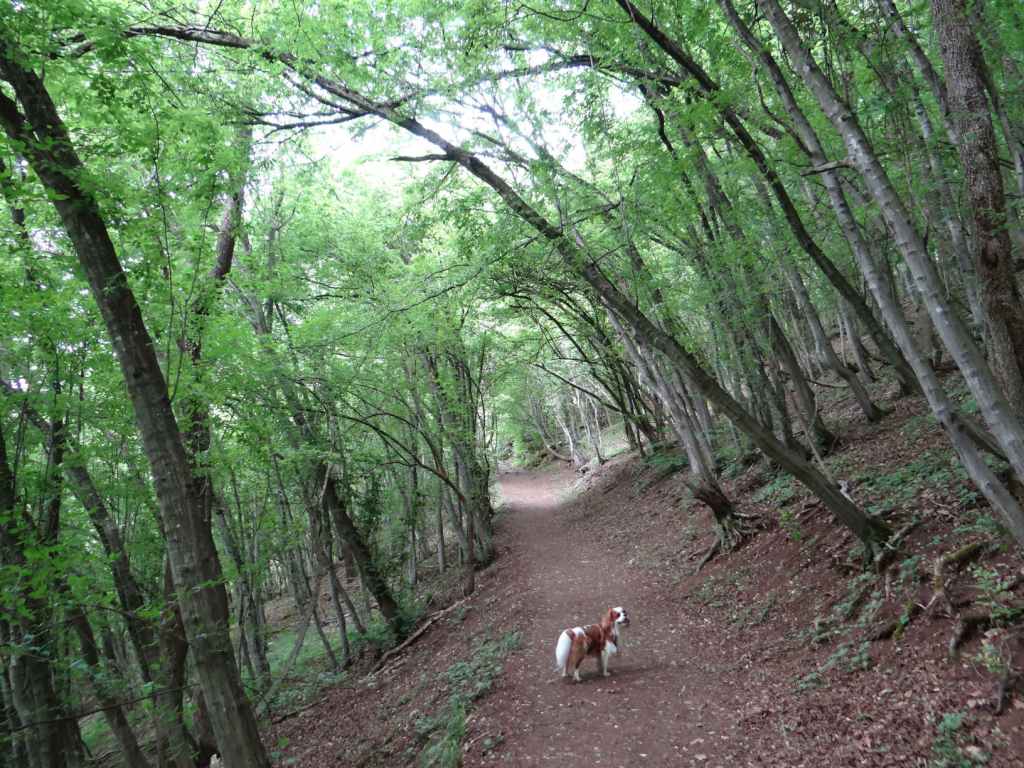
The path as it passes through the forest.
The waterfall in the distance.
Arriving at the waterfall.
Bovska Skaklya, seen from below.
From here, the path continues to the top of the waterfall and the village of Zasele.
This path has steps and a railing.
The view near the top.
The top of the waterfall – the stream passes under the bridge and tumbles down 85 metres.
The water as it becomes airborne.
The view back to Bov.
Bovska Skaklya.

Dobravitsa

The longest river to run entirely in Bulgaria is the River Iskar, which rises in Rila Mountain and flows into the Danube between Bulgaria and Romania. Geologically, it is the oldest river in the Balkan Peninsula. Plenty of reason to admire it, then.

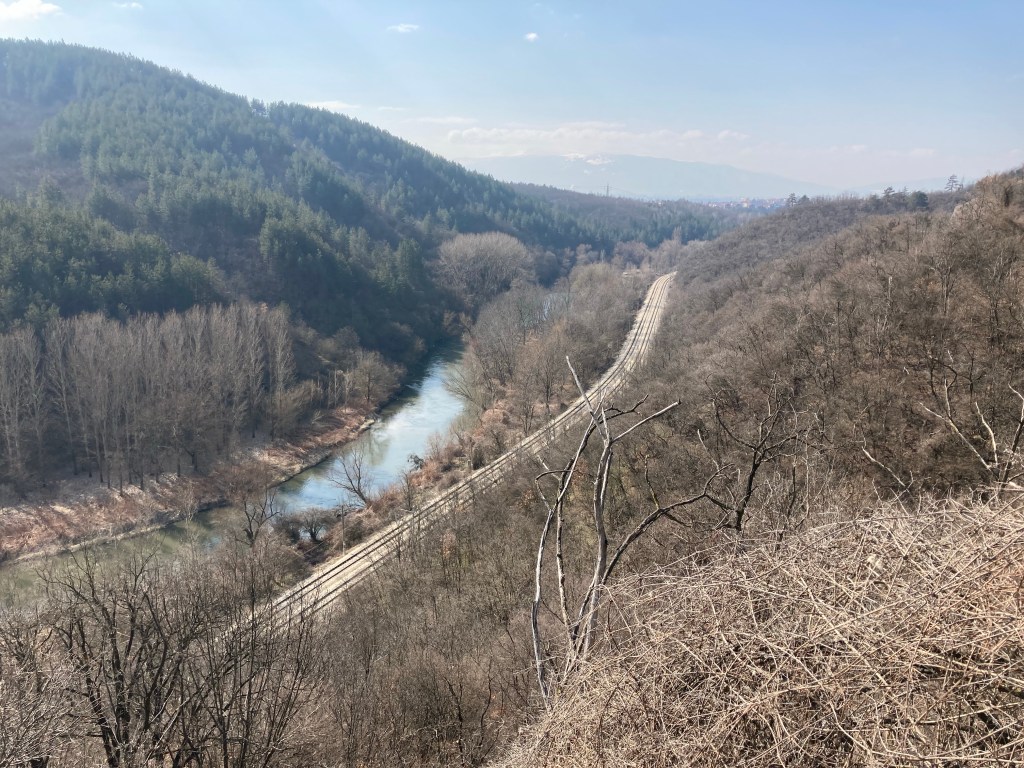
North of Sofia, it forms the Iskar Gorge, a fact that is taken advantage of by the railway, which runs alongside the river. The first major town heading north from Sofia is Svoge, famous for its chocolate factory, and from here Dobravitsa Waterfall is only twelve kilometres away!

So expect a windy road that follows the course of the river, with some spectacular views. To get there from Sofia, you need to go round on the ring road to Novi Iskar and then follow the signs for Svoge and Mezdra. Svoge is 38 kilometres north of Sofia, so the distance to the waterfall is 50 kilometres, but because of the twists and turns the journey takes about an hour and a half.

When you enter Svoge, do not follow the signs for the centre, which is left of the main road. Keep going and turn left when you reach the sign for Iskrets. You will pass the chocolate factory on your left and now you are following the course of another river, the Iskretska. Drive through Iskrets, but before you exit the town, take a right turn for Breze (5 km). This takes you up into the hills.

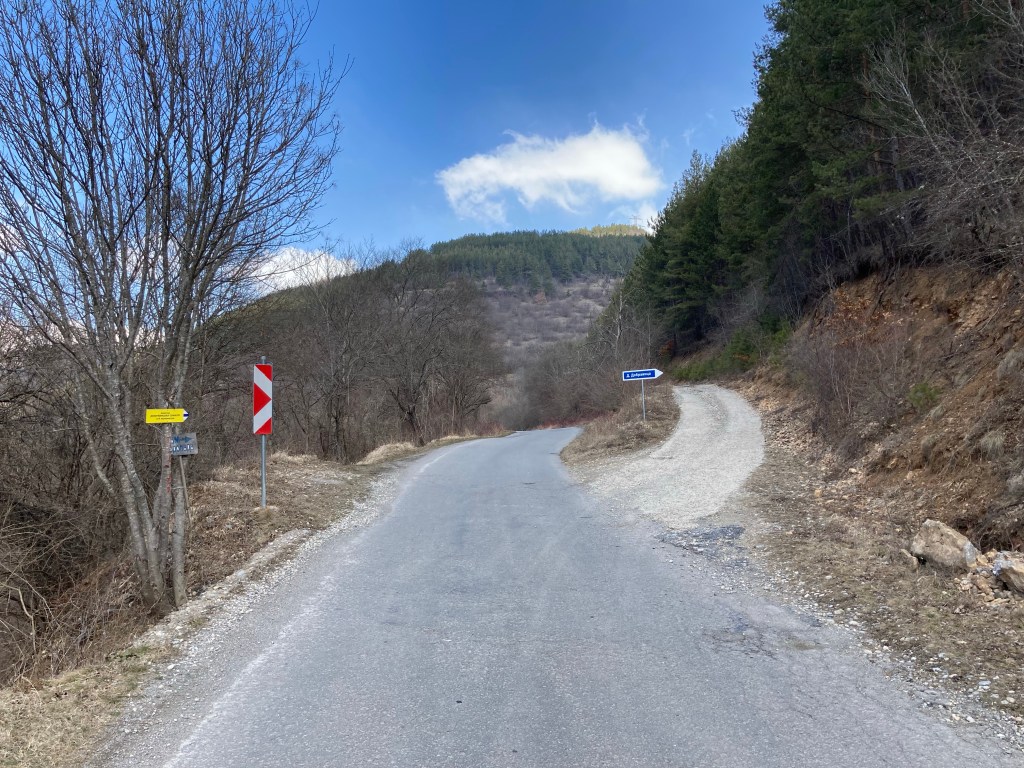
Pass an abandoned factory, and shortly after you ‘enter’ Breze (though the village itself is further on) you will see a dirt track leaving the road on your right. This is signposted for the waterfall and for the village of Dobravitsa. You can either park the car here, next to the main road, or risk driving your car up to the village. The distance from the main road to the waterfall is 3.9 km and takes about an hour and twenty minutes. If you drive to the village, the distance to the waterfall is 1.7 km and takes about forty minutes.

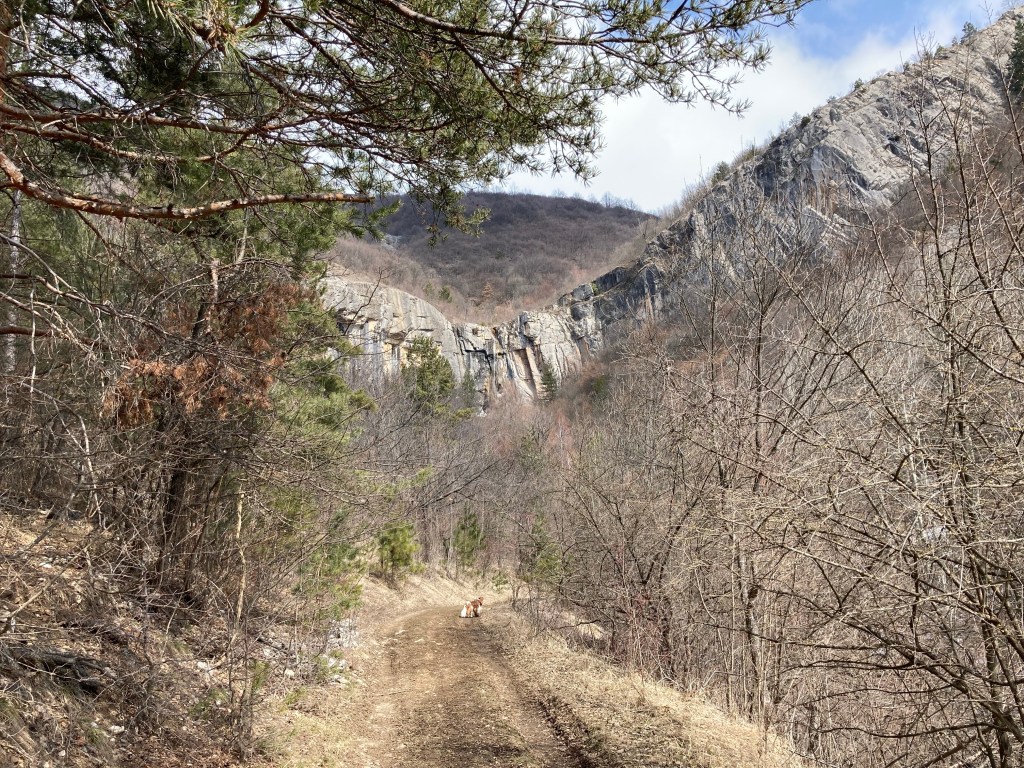
Immediately as you enter the village of Dobravitsa, the track veers to the right (the village is ahead of you). Follow this track for 800 m. When the track forks, turn left. The waterfall is another 900 m. There are some wonderful views over the hills, and you can see back to Iskrets.

As you approach the waterfall, you will see a remarkable rock formation on top of the hill in front of you, forming the Greek letter omega (Ω). Follow the rock with your eyes as it descends to the left. The waterfall is at the end. As the track veers back on itself, you leave the track and continue on a path to the waterfall, which is directly in front of you.

On your return through Iskrets, do consider stopping at Iskrets Monastery, which is in the grounds of the Tsar Ferdinand I Hospital, a specialized lung hospital. There is another beautiful waterfall just north of Svoge, near the village of Bov. The autumn colours here are amazing! But this might be better left for another day!

The Iskar Gorge with the railway running alongside it (in the background is Vitosha, the mountain south of Sofia).
The River Iskar as it passes through Svoge.
The dirt track leaving the road in Breze (the yellow sign is for the waterfall, the blue sign is for the village of Dobravitsa).
The dirt track leading to the village of Dobravitsa.
At the entrance to the village, the track veers right (again, the waterfall is signposted).
An island in the sky.
Here, the track forks – turn left (again, the waterfall is signposted).
The Omega formation on the hill in front of you.
Ice in a rut!
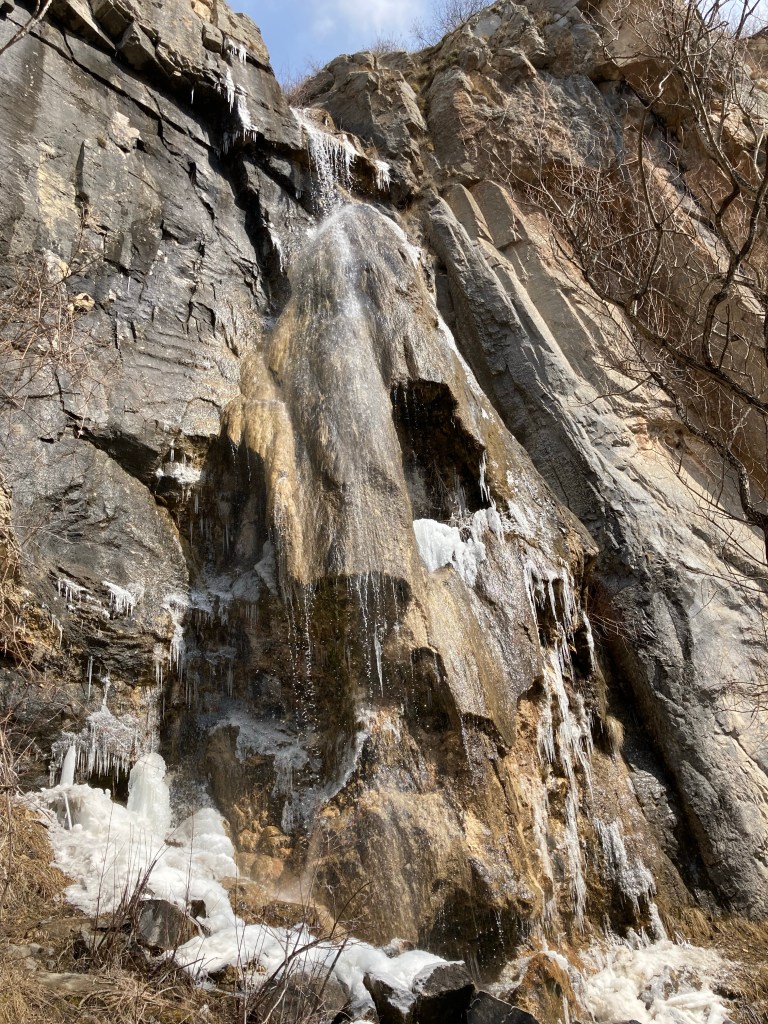
The waterfall in front of you.
Arriving at the waterfall.
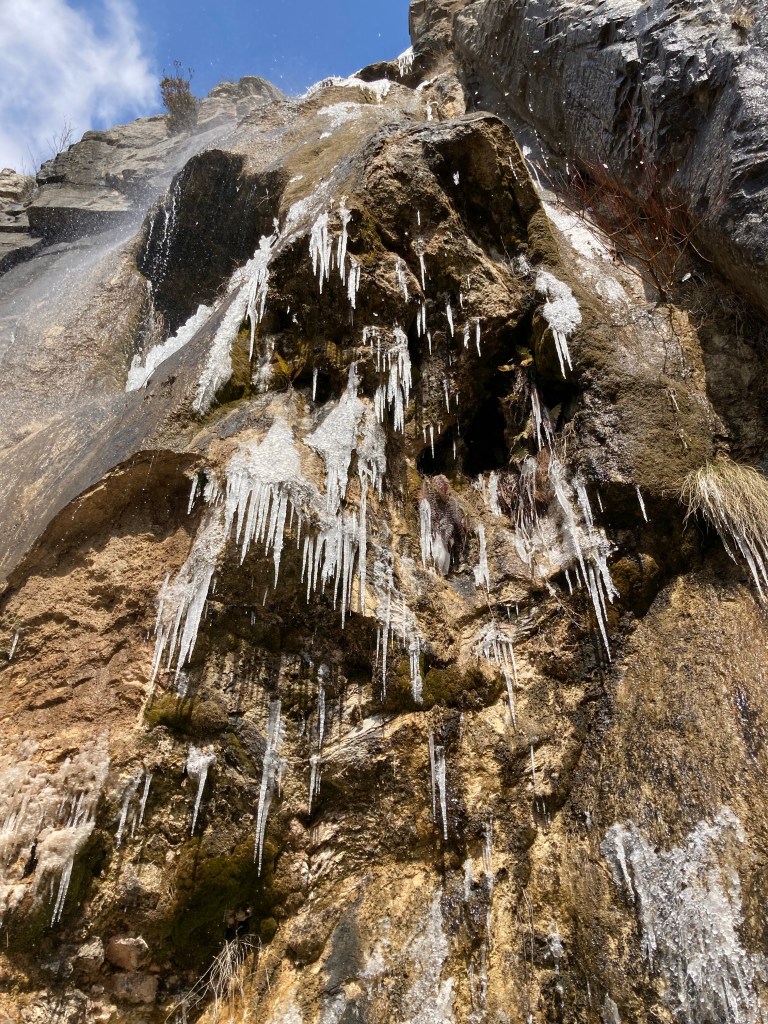
The waterfall close up.
When we were there, ice kept cracking off the rock and landing in the water near us!
An overview of Dobravitsa Waterfall.
Iskrets Monastery.