
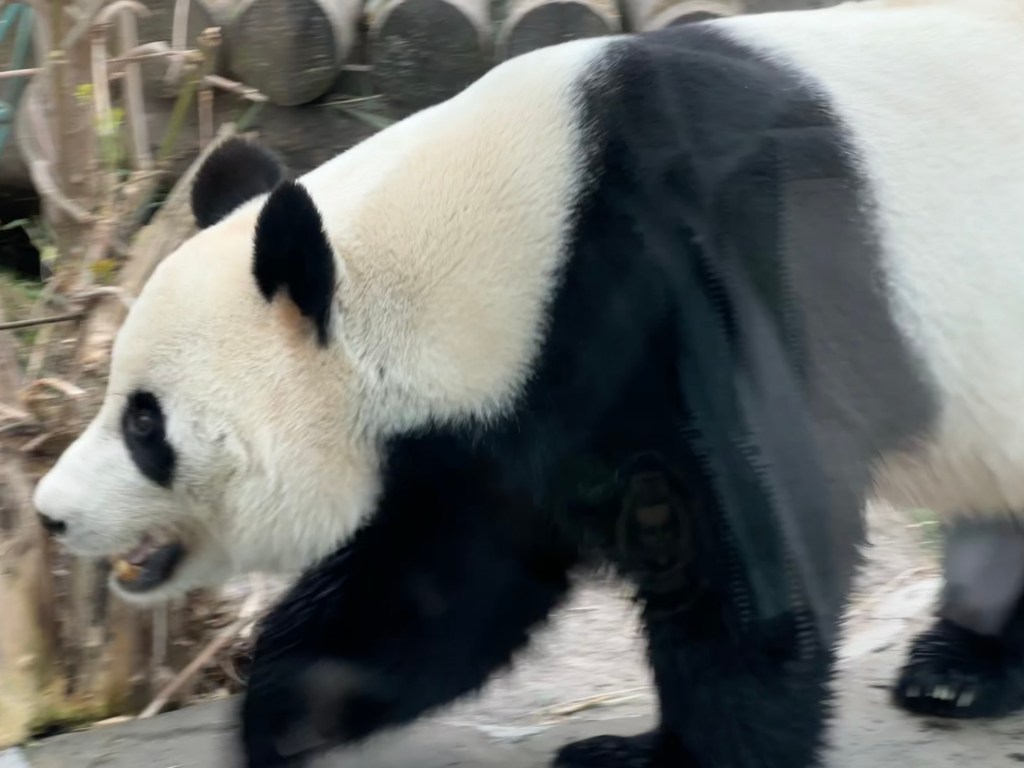
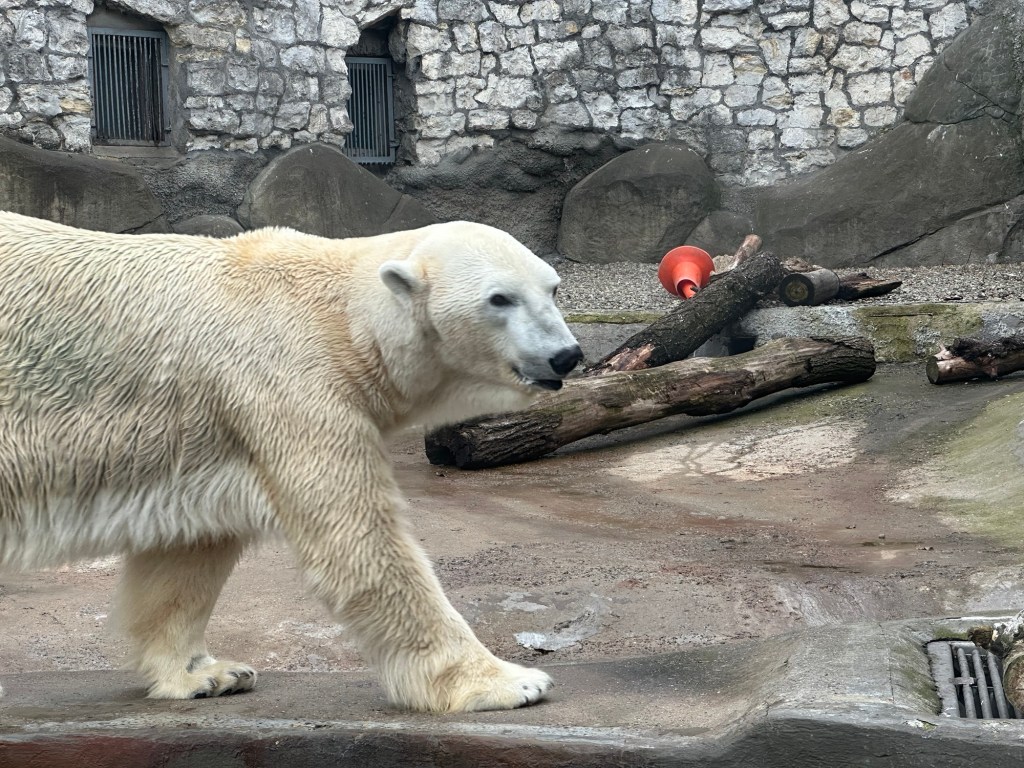
One of the few places I do not like (I suppose another might be the Expo, known in Russian as VDNKh) is Moscow Zoo. The conditions are not good. I wonder whether zoos should be placed in cities or whether they shouldn’t be in the open countryside, so that it is we who visit the animals’ environment and not the other way around. Some of the animals – large birds like the shoebill – look miserable, and they perform repetitive actions, the panda constantly going backwards along a walkway, the polar bear reaching the end of its pen, turning around, arching its neck in reverse, and then pacing in the other direction. It doesn’t look natural. And how could it? A golden eagle is not meant to be in a cage with a net over it, however tall that cage may be.
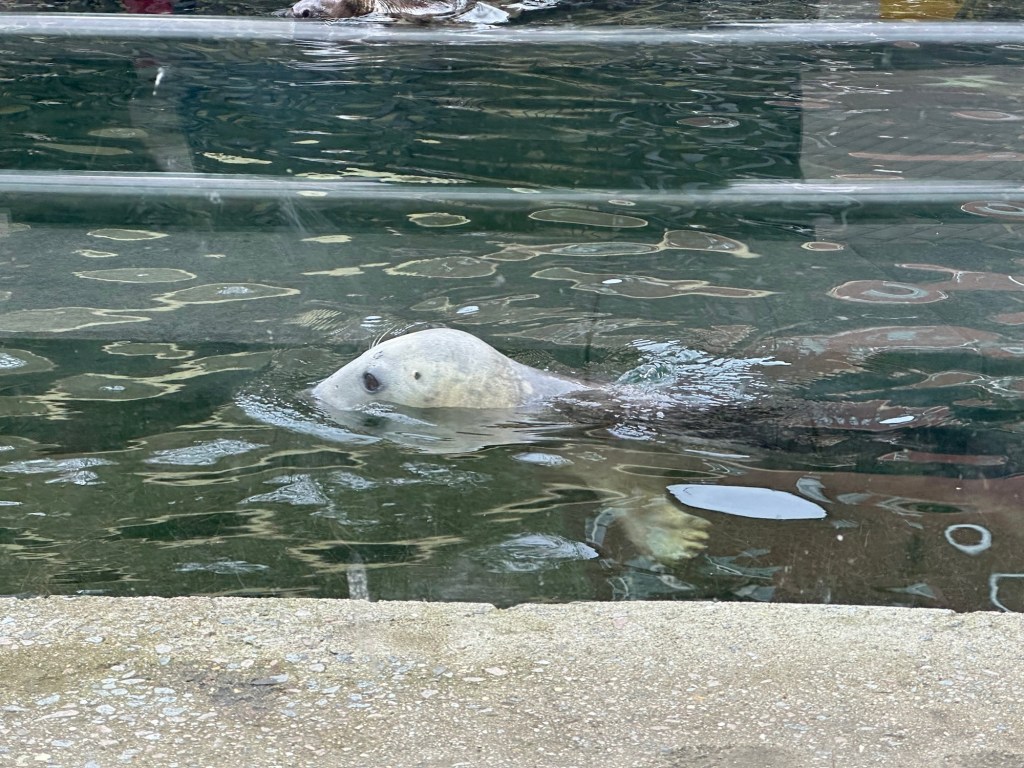
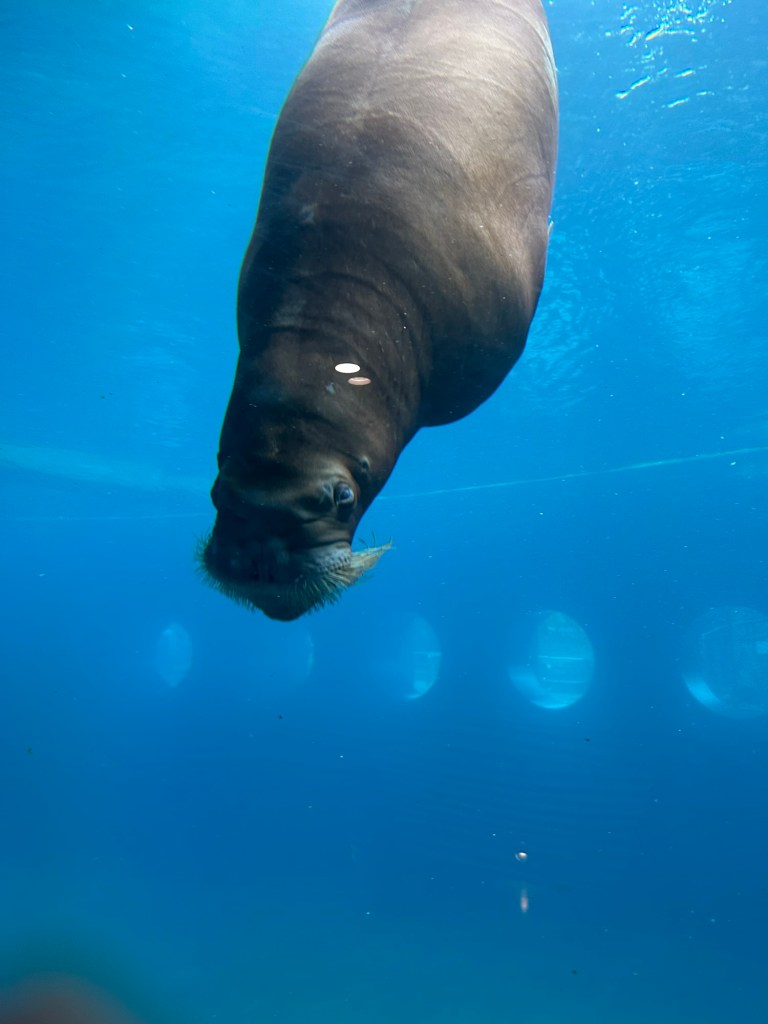
The humans behave like apes, and the apes behave like humans – or at least our impression of what their behaviour is. They (the humans) screech and laugh hysterically, chasing each other up the ramp, while the apes sit normally, playing with a sheet, wondering what the fuss is all about. When I approach the zebras, they seem to make up their mind to go outside, but of course they should be on the savannah. I wonder if it isn’t cold in Moscow for a lot of these animals, especially the ones from Africa. The only glimmer of hope is the Baltic grey seals – there is a little interaction with humans, and they swim very gracefully – and the bearded seals, where there is a pup, and again one cannot but be impressed by the gracefulness of these large animals in water. At least they have space to move in, even if it isn’t the open sea.
I am falling into a depression, I can hardly bring myself to take any photographs, and then I notice something. What the animals want is to be seen – not gawped at, not photographed, not pointed at. They do not want to be a source of entertainment, like a television screen. They want to be acknowledged. I suddenly realize that they are looking at me – in the hope that I will see them.
As a race, we are so inclined to view the environment as two-dimensional, as being put there for our entertainment and provision, but it is so much more than that. It has its own intrinsic worth, its own meaning, one we are slow to pick up on, since we believe its sole meaning is to reflect us back to ourselves, to convey our message, to fill our stomachs, to keep us amused. We see the environment, but we do not see it. It is like a picture on the wall, a backdrop to the events of our lives. I wonder how much the verse Genesis 1:28 might have to do with this.
I cannot change the animals’ conditions, I cannot break in at night and free them, transport them back to their natural surroundings. More’s the pity. But I can at least see them. I make a connection with their gaze. I put down my phone. I sympathize with them and understand something of their plight.
All the earth wants is to be seen – not exploited, not fenced in, not traded, but seen. It is we who have to change. And when we do, what we see becomes incomparably richer.
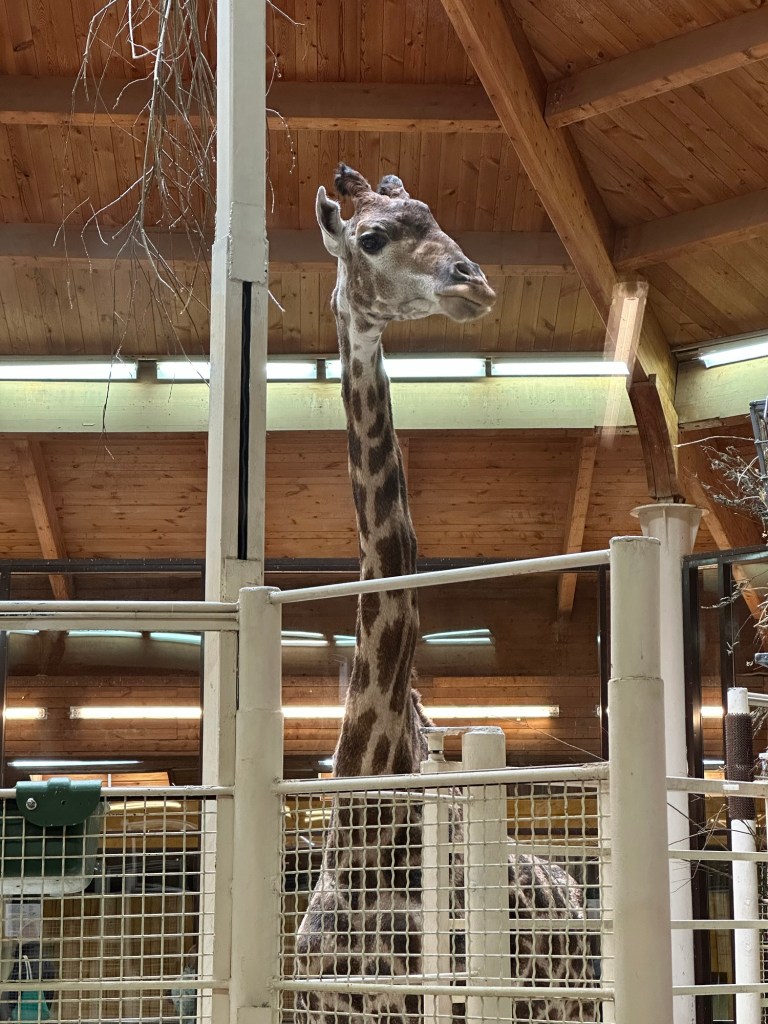
- The giraffe.
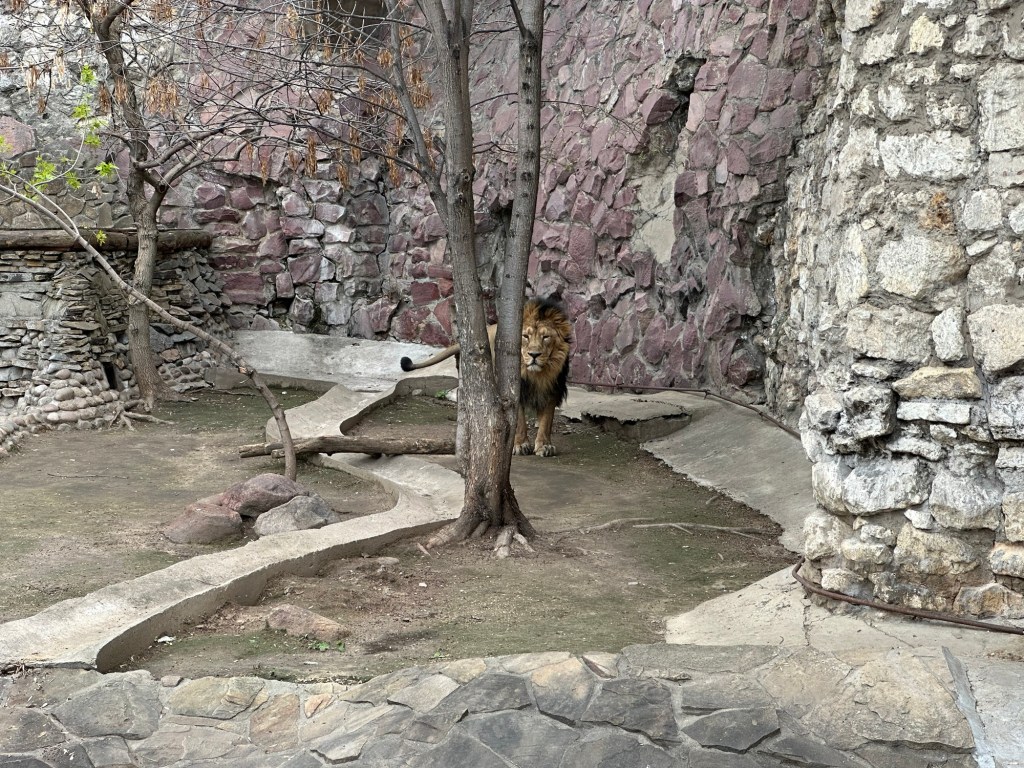
- The lion.
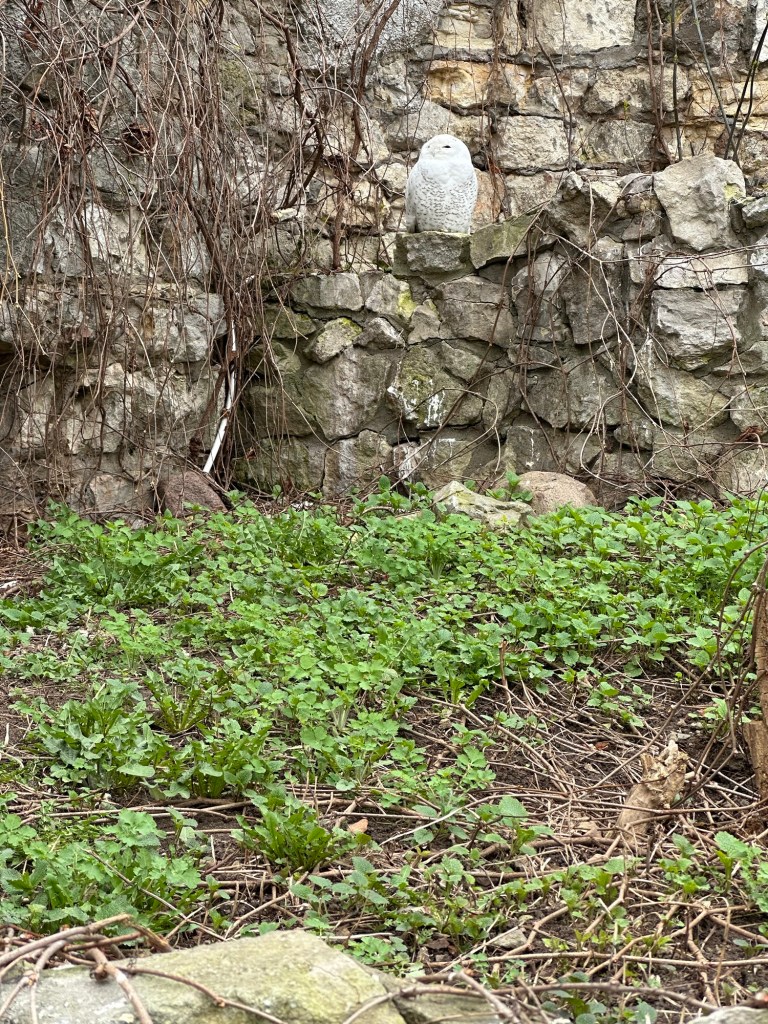
- The snowy owl.
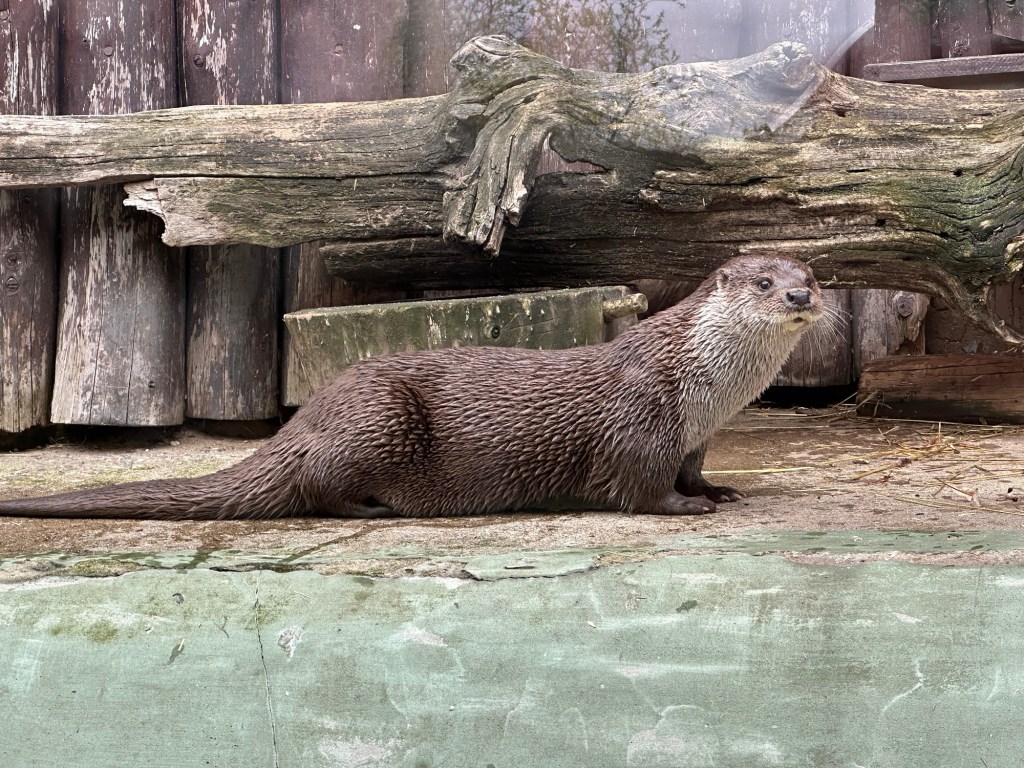
- The otter.
- The Baltic grey seal.
- The bearded seal.
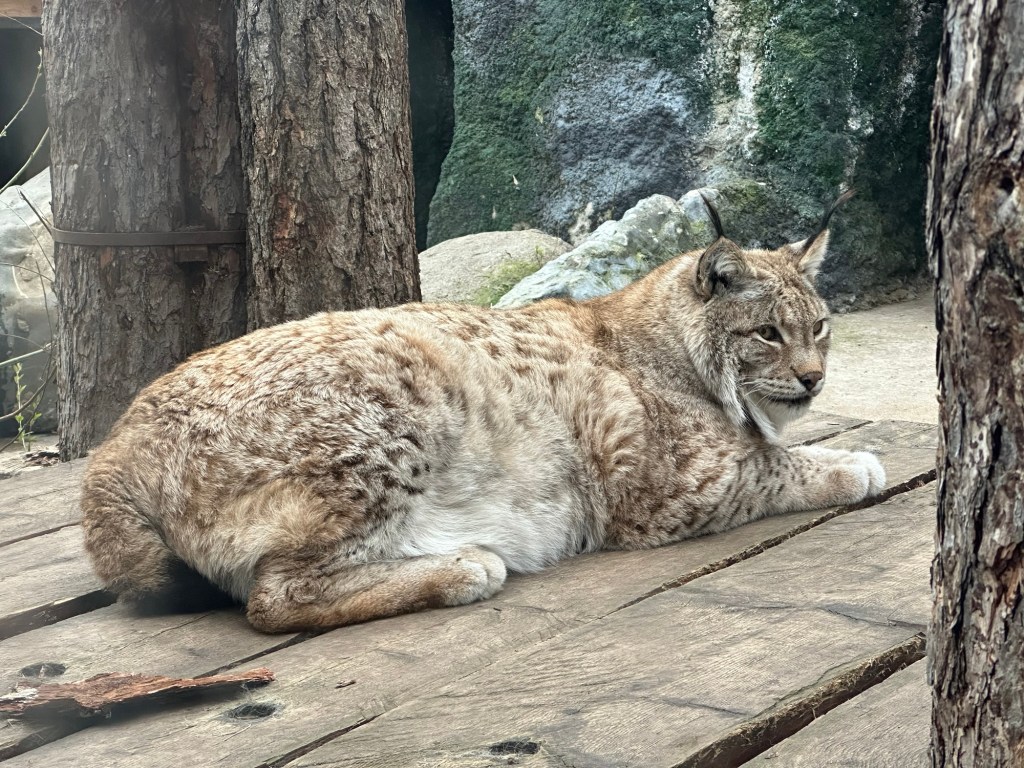
- The lynx.
- The panda.
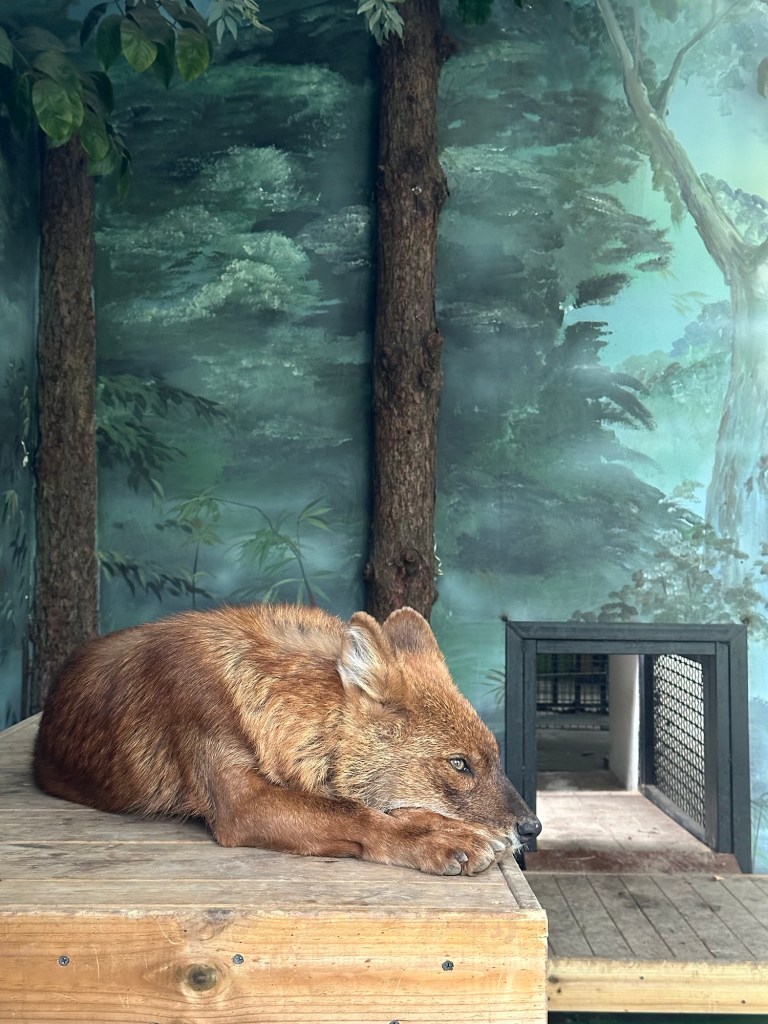
- The dhole.
- The polar bear.
Jonathan Dunne
Next: Moscow Life

