Yarlovo – Golemiya Rid Peak – Yarlovo

Starting Coordinates: 42.46882, 23.27801

Distance: 13.2 km

Elevation Gain: 405 m

Time: 4½ hours

Difficulty: moderate-hard

Transport: by car, or by bus no. 69 just past Zheleznitsa (this still leaves a significant distance)


Yarlovo is the other most distant village you can reach on the south side of Vitosha, together with Chuypetlovo, the difference being that you come at them from different directions. To reach Chuypetlovo, you go west around the mountain. To reach Yarlovo, you go east, via Bistritsa and Zheleznitsa. The two villages are actually in adjoining valleys – Chuypetlovo in the Struma valley, Yarlovo in the Palakaria valley – so visiting both villages is like putting your arms around the mountain from both sides, a fitting way to bring this book to a conclusion.

Yarlovo is again about fifty kilometres from central Sofia, an hour’s drive. You pass through Bistritsa, Zheleznitsa, the villa zone known as Yarema, until you reach Kovachevtsi. From Bistritsa to Kovachevtsi is 22 kilometres. Shortly after entering Kovachevtsi, there is a turning on the right for Yarlovo, 5 km. The furthest you can get with public transport is bus no. 69, which takes you just past Zheleznitsa, but that still leaves a significant distance to Yarlovo (about 17 km).

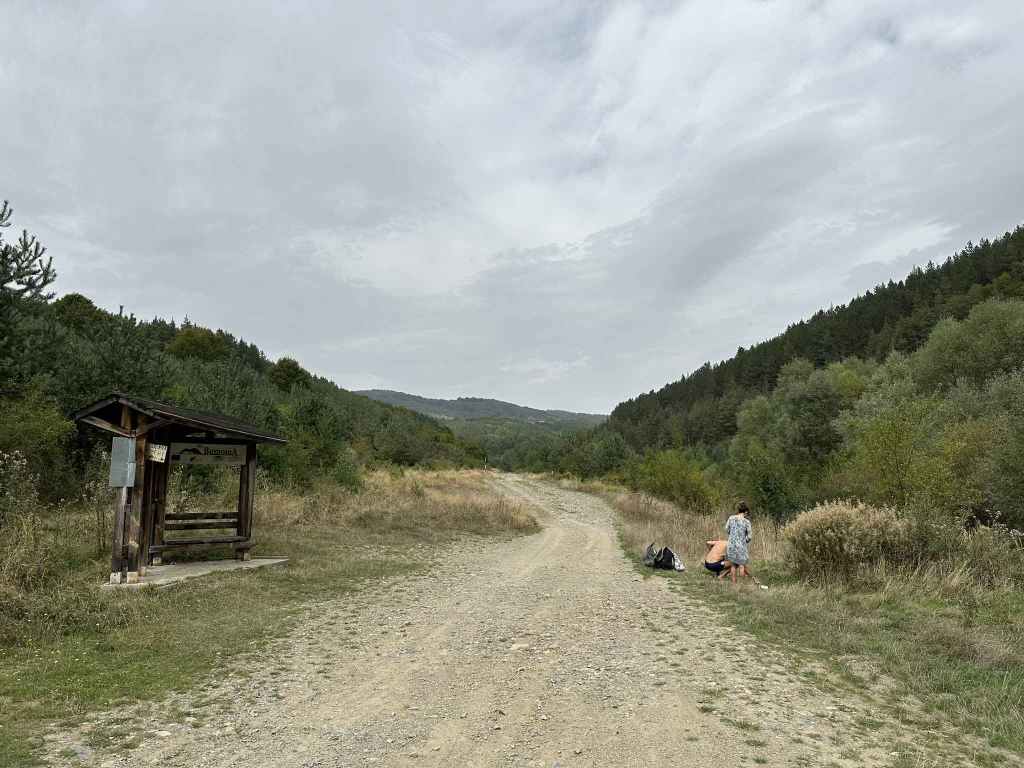
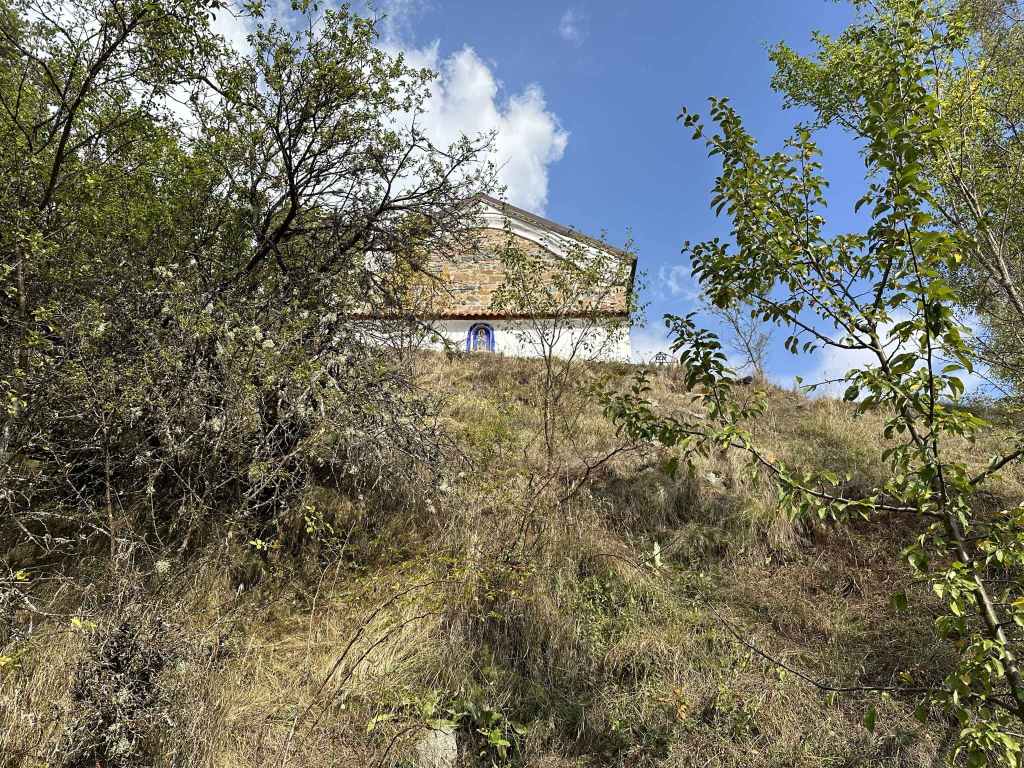
On entering Yarlovo, the road veers to the right, goes past a playground on the right and then heads left into the main square, where there is a Church of St Nedelya, the town hall, a post office and various amenities. Park here. This walk will take you along the course of the Palakaria, up onto the ridge between Yarlovo and Chuypetlovo to the peak Golemiya Rid (with wonderful views north to Cherni Vrah and south to Rila) and back around to Yarlovo. So you leave the main square in the north-west corner and return via the south-west corner.

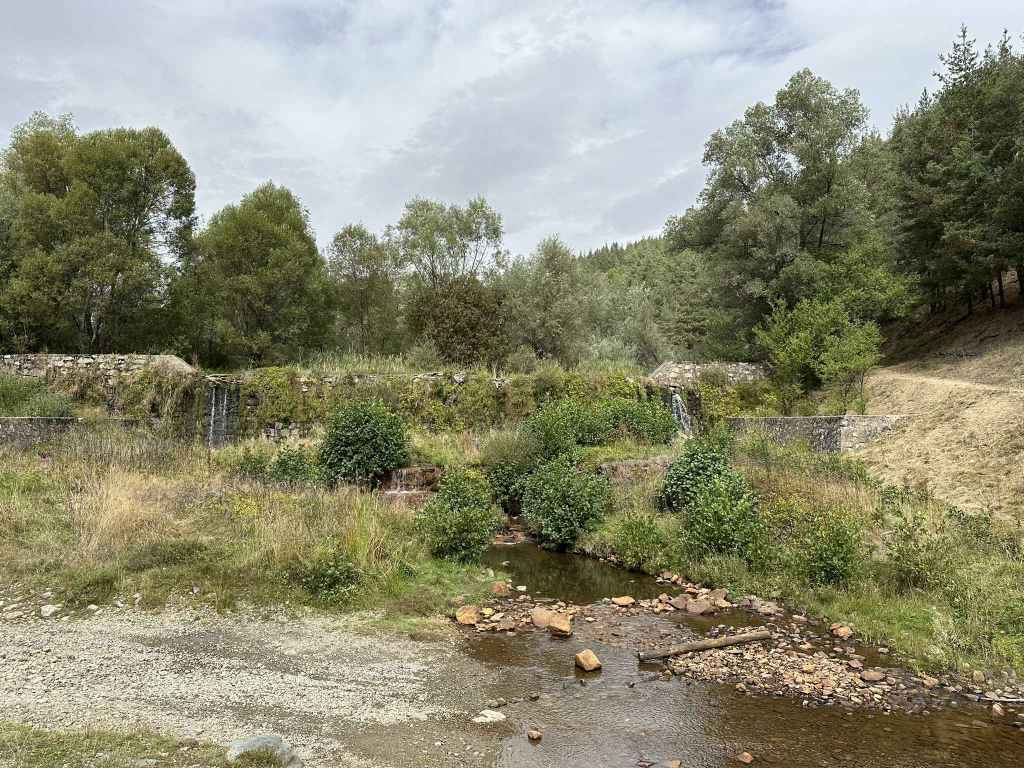
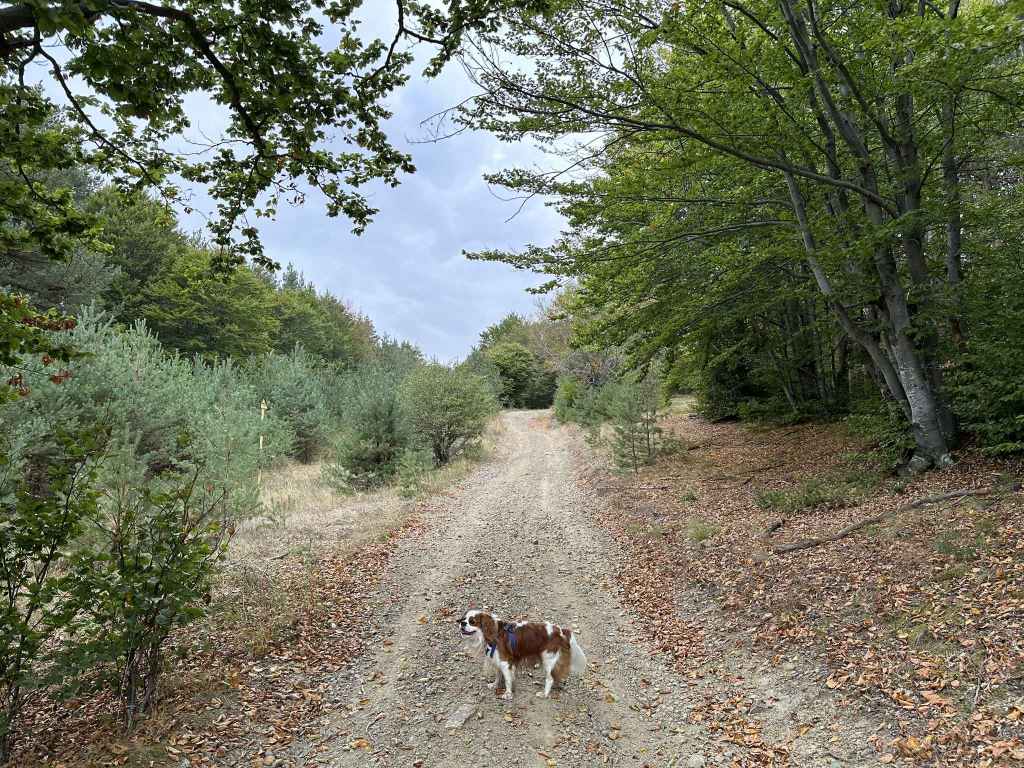
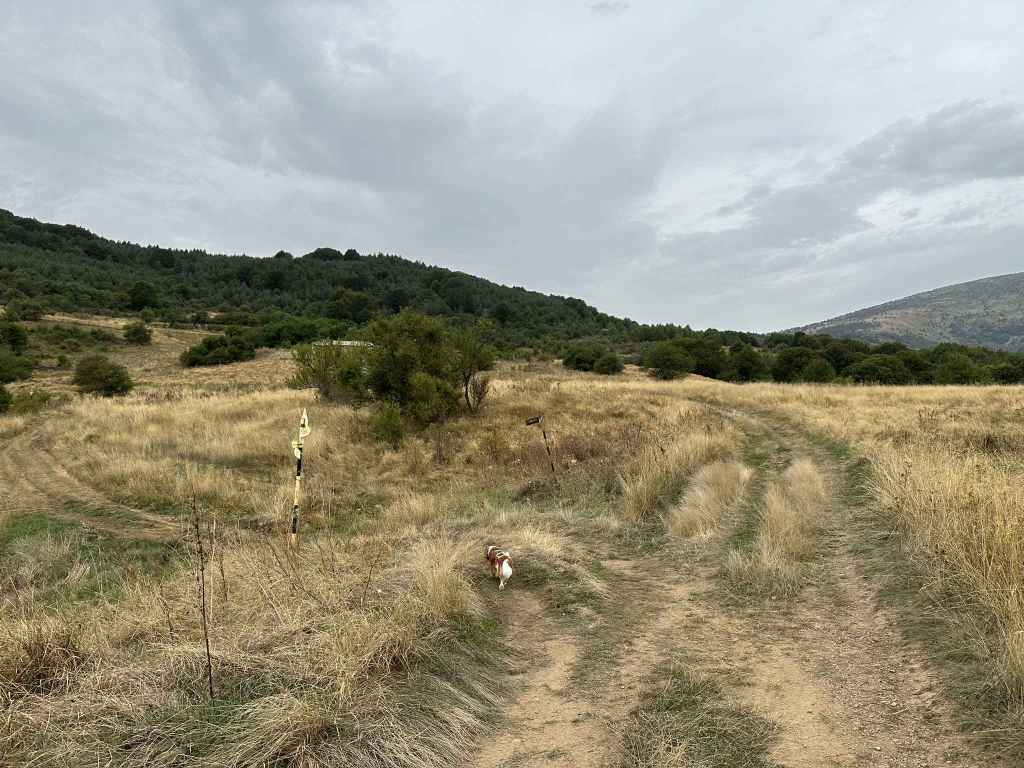
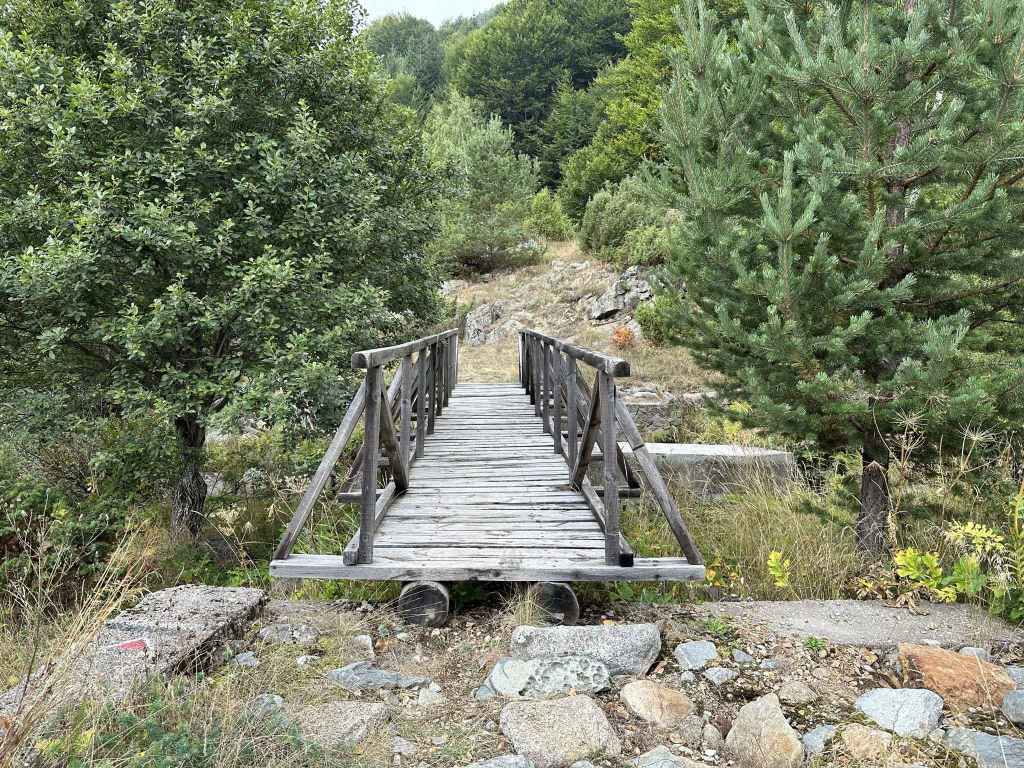
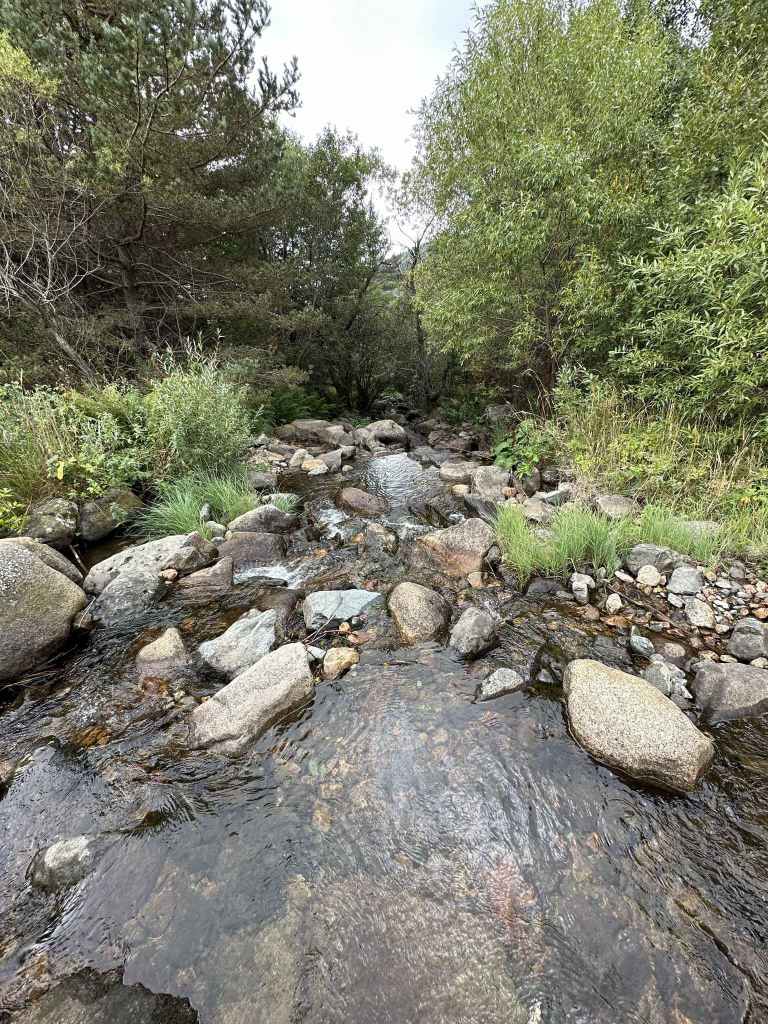
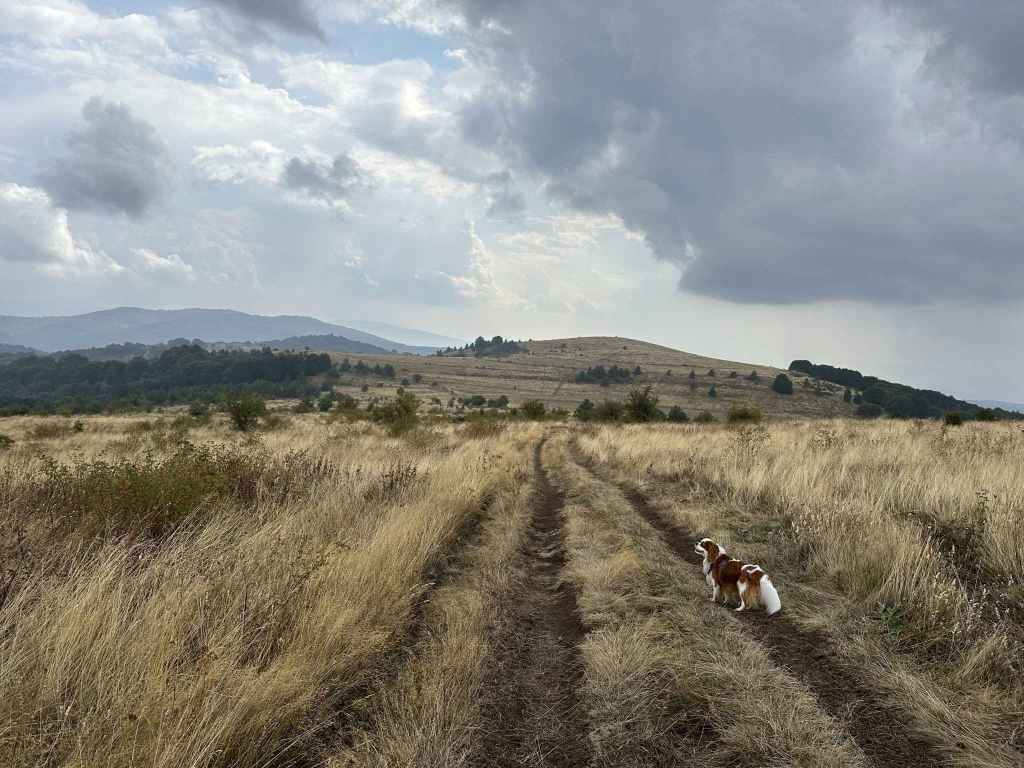
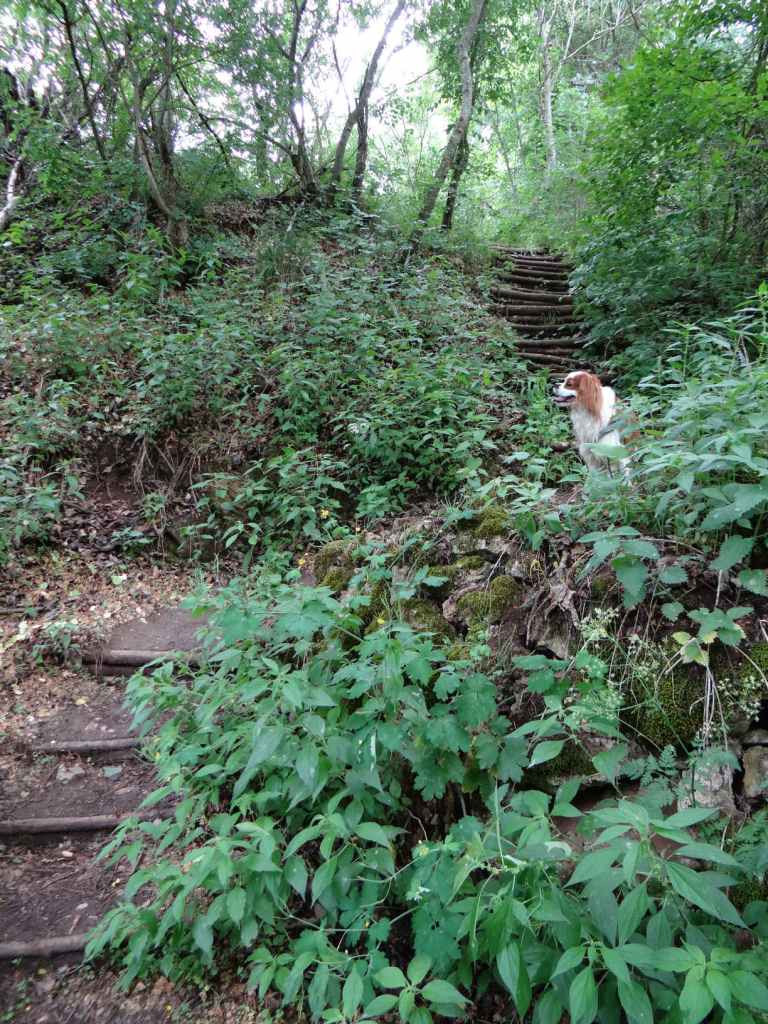
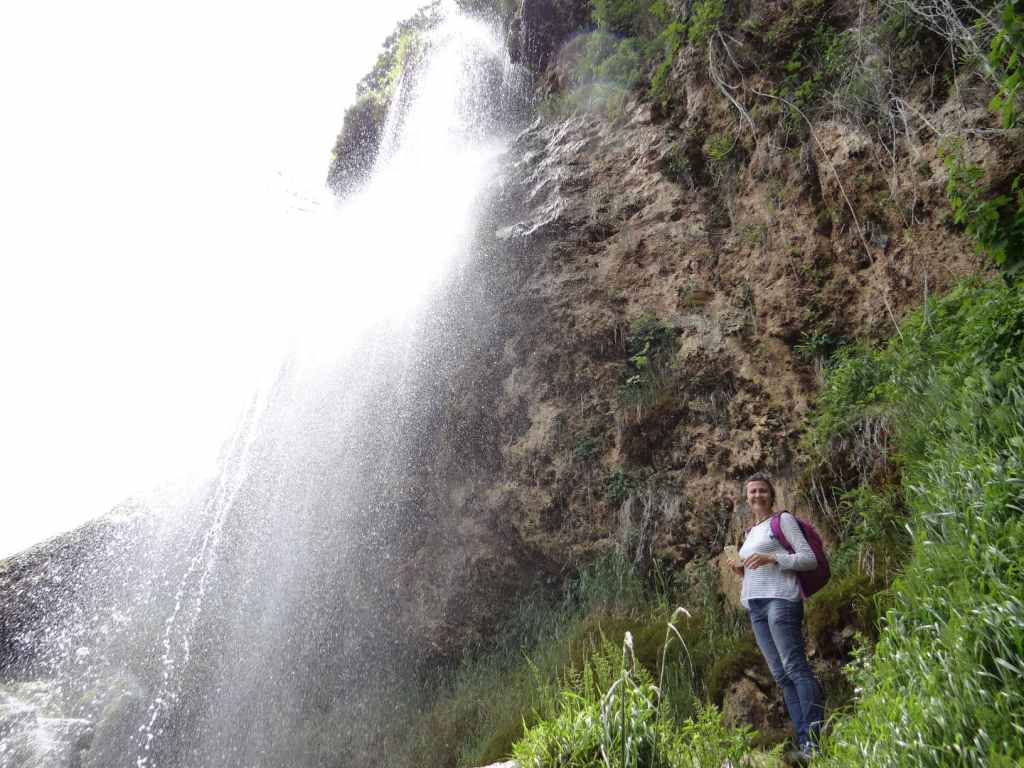
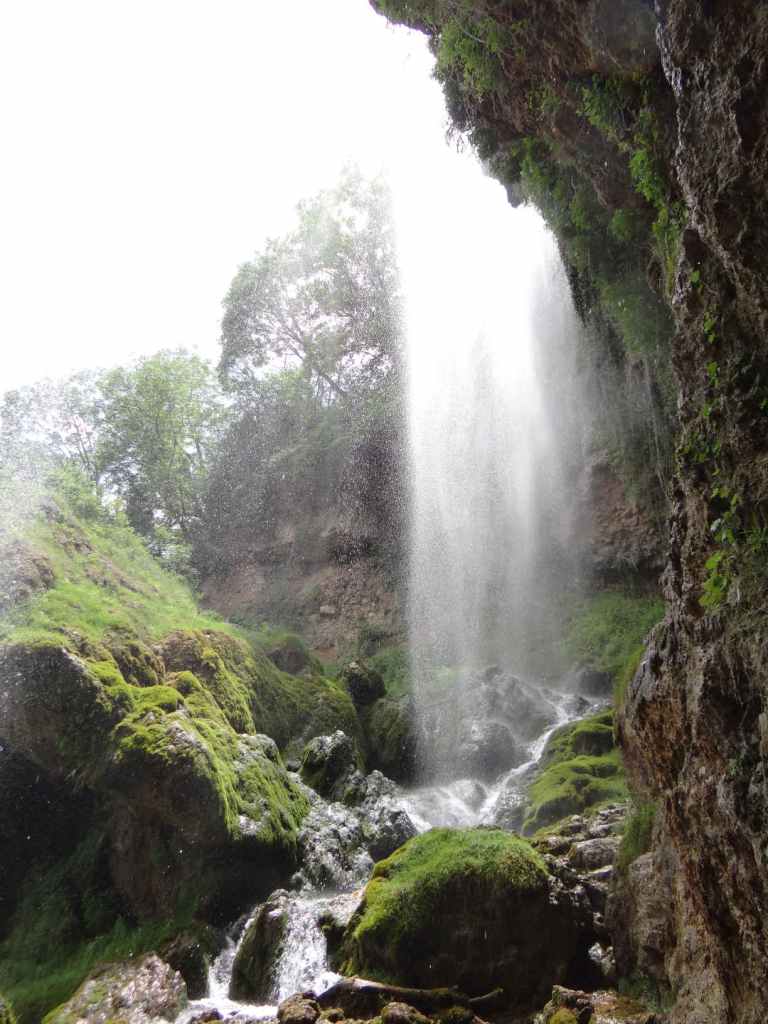
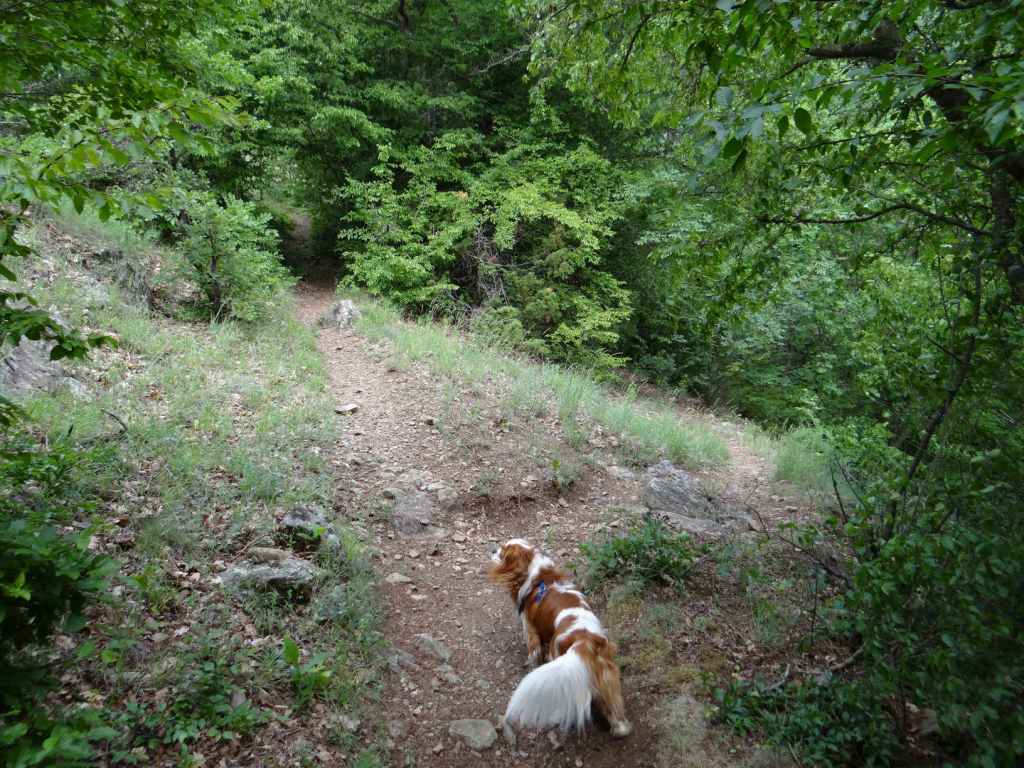
Take the street that leaves the square in the north-west corner (to the west of the church). It is signposted for Smilyo shelter, Chuypetlovo village and Cherni Vrah via Golemiya Rid. The river Palakaria is flowing on your left. You will pass two bridges going over the river on your left, but just keep going on this street. In half an hour, after the tarmac ends and the road turns into a dirt track, it crosses the river, where there is a pretty waterfall. On the other side of the river, the track begins to climb and turns right (left will take you back into Yarlovo). In fifteen minutes, you will cross a small tributary of the Palakaria, and immediately the path divides. Right will take you along the course of the river. You want to go left, up the mountain. Now stay on this path (with the black and yellow posts), ignore the turning on the left that appears immediately. The path divides and then comes back together (it doesn’t matter which branch you take) and in little more than ten minutes it emerges into the open.

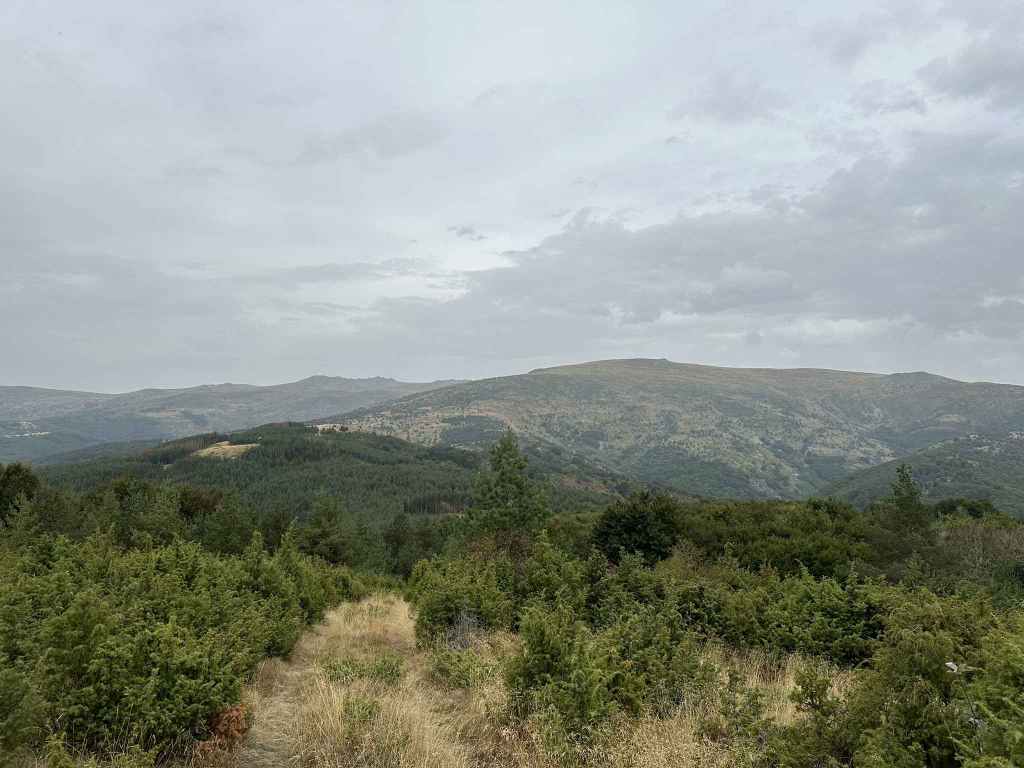
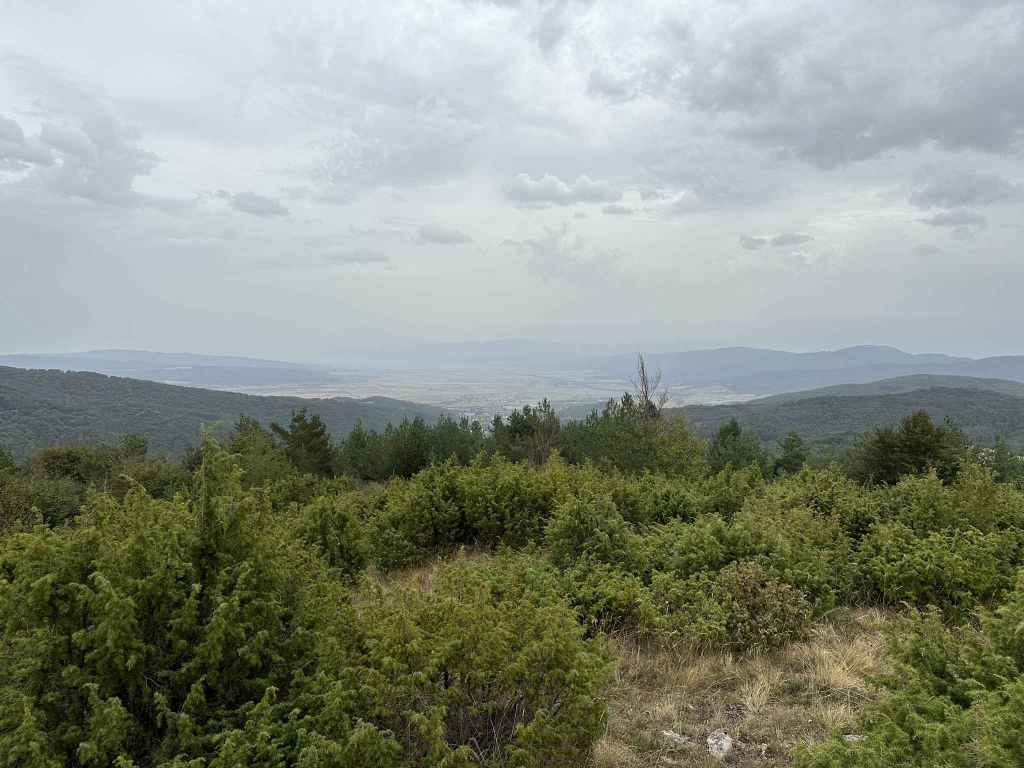
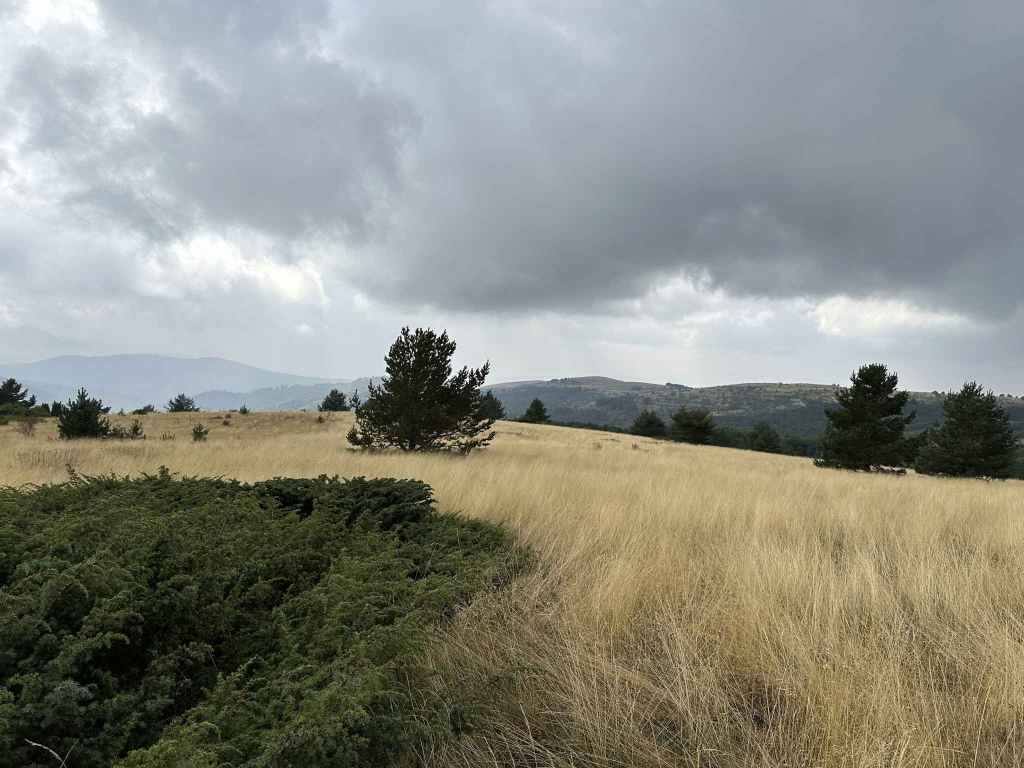
Another ten minutes, and you will reach post number 158. A path on the left will take you to Smilyo, Chuypetlovo and Bosnek. Go right here, in the direction of Cherni Vrah. You will pass a farm outbuilding on the left and then a small house. Follow this path for twenty minutes. It then divides. The right branch will continue taking you in the direction of Cherni Vrah, the summit, but we are going to go left here, in the direction of Golemiya Rid peak. 200 metres after this left turning, there is a path through the grass on the left. In ten minutes (500 metres), this path will take you to the peak, which is a good place to stop for rest and refreshment. Halfway there, a path diverges on the left – ignore it, and in no time at all you will be at the peak. North of here is Cherni Vrah. To the right of Cherni Vrah is Yarlovski Kupen, the main peak at the head of the Palakaria valley. North-west is the village of Chuypetlovo, which featured in our previous walk. And south-east is Yarlovo and the mysterious peaks of Rila, the highest point in the Balkans, in the distance.

Once you have had time to enjoy the views, return to the path you were on and continue left. In about twenty minutes, you will reach a clear crossroads with a picnic area on the right. The left branch will take you to post number 158 and the farm outbuilding, from where you can return directly to Yarlovo. The right branch takes you down to the road just before Chuypetlovo. Keep straight, in the direction of Klisura village. After a hundred metres, ignore the turnings on the right and stay on the path you are on. In half an hour, it divides (the right branch goes to a “cheshma” or fountain). Keep left here, and in five minutes you will come to a T-junction. The right branch goes to Klisura. You want to head left, back to Yarlovo three kilometres away. The road is now tarmacked.

When you reach the first houses in Yarlovo, there is a dirt track on the right, which soon becomes tarmacked as it enters the village, running alongside the river Palakaria on your left. After ten minutes (800 metres), cross the bridge on your left and in five minutes you will enter the main square from the south-west.

Please note: it is easily possible to shorten this walk in two ways. The first is to take the left turning at post 158 and to walk in the direction of Chuypetlovo, not Cherni Vrah. This will omit the peak Golemiya Rid. When you get to the crossroads, take the left turning for Klisura village and continue as per the description. Alternatively, having climbed the peak, when you reach the crossroads, instead of continuing in the direction of Klisura village, turn left here for Yarlovo. You will return to post 158, where you can turn right and descend into the village the way you climbed up. Both options will reduce the walk by several kilometres.

A map of the walk in relation to the whole mountain, with the outskirts of Sofia visible in the top right-hand corner:

Chuypetlovo – Struma River – Chuypetlovo

Starting Coordinates: 42.51695, 23.24386
Distance: 9.6 km

Elevation Gain: 350 m

Time: 3½ hours

Difficulty: moderate

Transport: by car


Chuypetlovo is the first village on the course of the river Struma as it heads south from its source at the peak, Cherni Vrah, to flow into the Aegean in northern Greece. This alone makes it very special. It also offers wonderful views of the summit, but from the other side – the south side of the mountain. Conversely, this means that this little village can be seen from the summit if you head to the rocks a little south of Cherni Vrah hut.

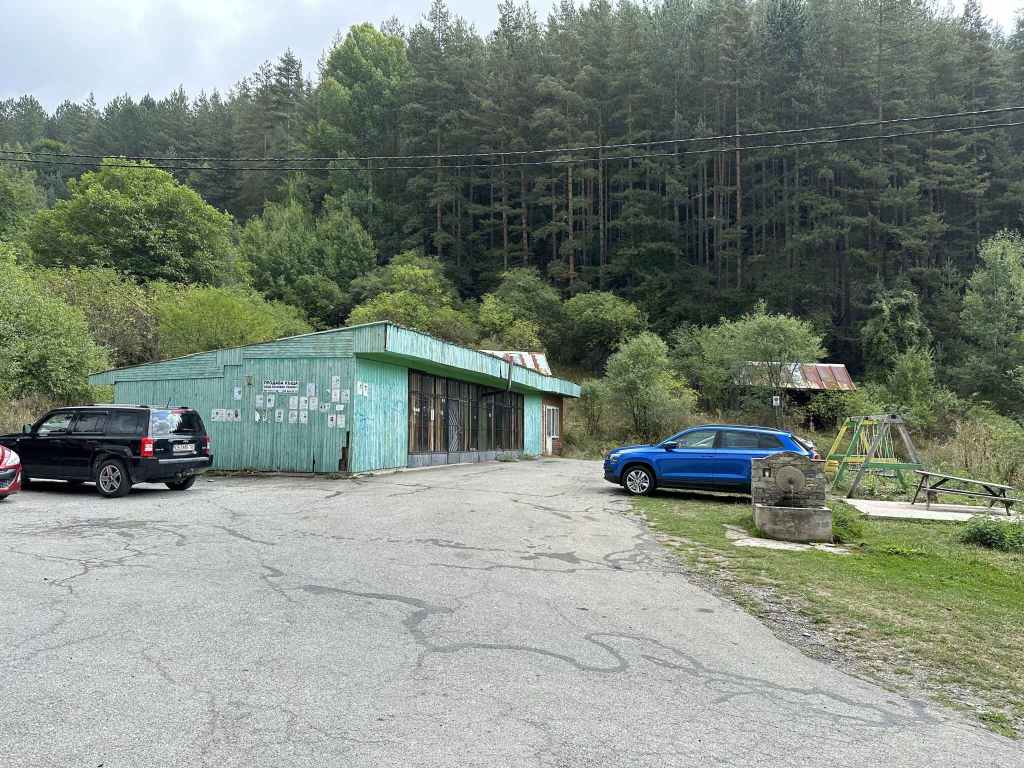
The only way to get to Chuypetlovo, really, is by car. It takes about an hour from Sofia, and the distance is about fifty kilometres. You take the road from Sofia to Pernik. When you reach the large roundabout before Pernik, go left on the A3 motorway in the direction of Greece (Kulata). You travel south on the motorway for twelve kilometres, going past Studena. You then turn off the motorway at the sign for Bosnek (the village before Chuypetlovo), go under the motorway, turn left and follow this road for another thirteen kilometres. As you go through Bosnek, there is a dink in the road – it veers left and then right – but as long as you stay on this road, you won’t get lost. 300 metres after the sign for Chuypetlovo, the road ends at a green building and a fountain. Park the car here.

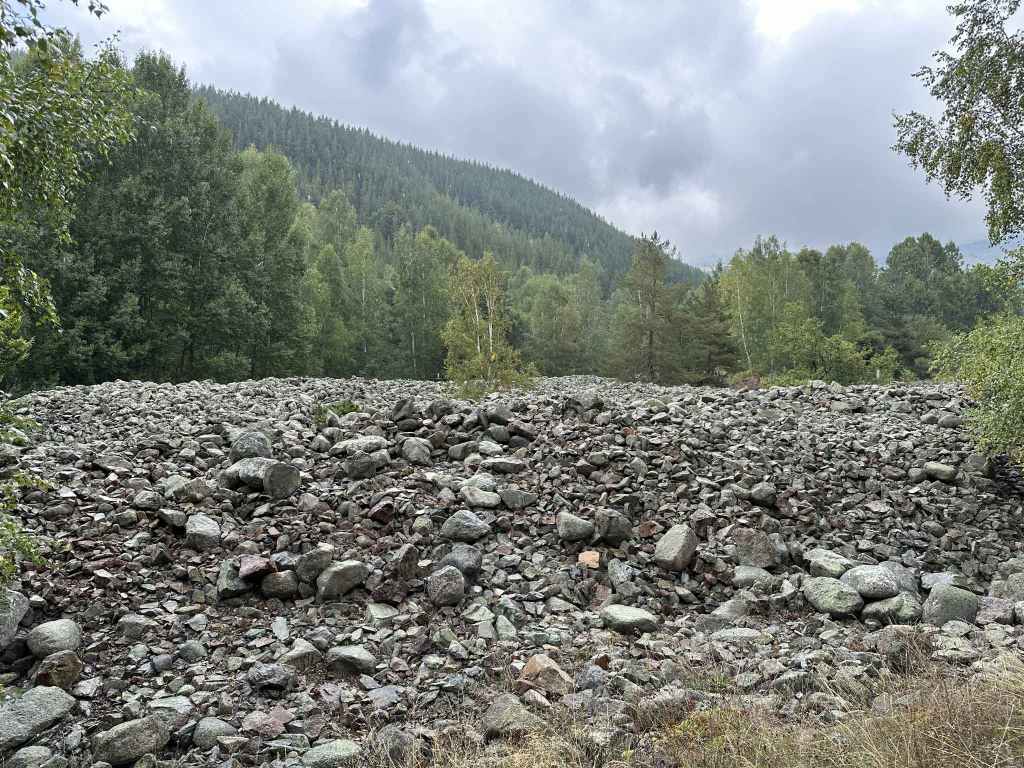
You are now going to walk up the east side of the river Struma and return to the village along the west side, so you want to take the shared trail to the left of the green building, a sort of continuation of the road you were on, but now a dirt track signposted for Chuypetlovo 1 and Kladnitsa. Follow this trail out of the village, with the river on your left (even if you can’t see it, the river should be on your left). In ten minutes, you will leave the village through trees, and in another ten minutes you will come out into the open, with moraines scattered to the left of the path. Keep heading north basically, and in another twenty minutes you will reach a bridge over the Struma. This is a perfect place to have a picnic and to enjoy the river’s company since you’re not going to see much more of it until you come back into the village.

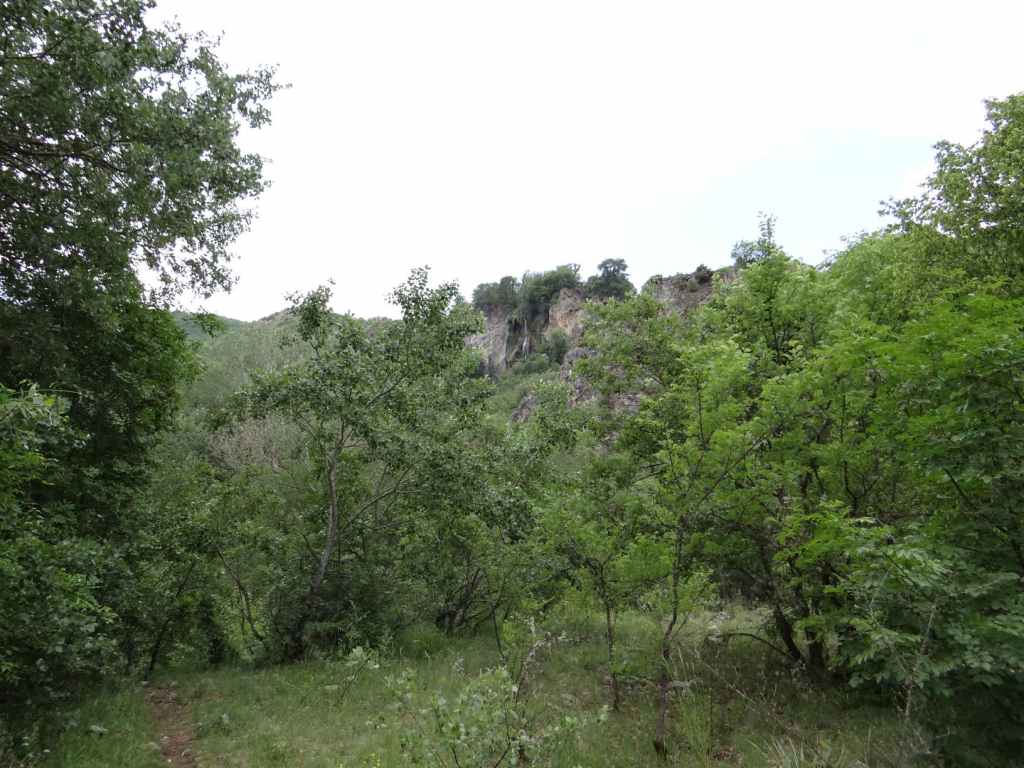
Having taken your rest, cross the bridge. The path continues on your left and then heads north as it climbs. After twenty minutes of walking through forest, you come out onto an open area of tall grass with fantastic views towards the summit on your right and a succession of lower hills on your left. After ten minutes, a path joins from the right and then leaves on the left. You can ignore it. After another five minutes, the path you are on divides (there is a sign “Chuypetlovo Village Horse ride” pointing back the way you came). You must be careful here because if you go right (north-west), you will end up in the village of Kladnitsa. Go left (south-west).

After ten minutes, a path goes over the hill on your right. Ignore it. At the black and yellow post 4, a path joins from the right. Just before post 6, a path diverges on the right. Ignore these turnings. Five minutes after post 6, a path diverges on the left. Keep going right, that is due south, and in ten minutes a hill will appear in front of you. The path you are on goes over this hill, in the direction of Bosnek. You must take the path on your left to return to Chuypetlovo, that is at post 11 or 12 (it doesn’t matter which, 11 is a shortcut, 12 is a right angle), towards the trees to the left of the hill. You should now be heading south-east.

This path offers wonderful views of the summit and the radar station on top (which looks like a golf ball). After twenty minutes, it begins to descend and soon enters forest. Another ten minutes, and you are back in the village. You pass the Church of St Petka on a rise to the left of the path and then cross the Struma once again. Immediately after this crossing, there is a sign for Yarlovo and Bosnek going straight. Turn left here, and in no time at all you will be back at the square where you started.

This walk offers a valuable opportunity to see the Struma in its infancy. It also gives you a different perspective on the mountain (in particular, Cherni Vrah, the summit). These two factors, for me, make it one of the nicest walks on the mountain. We even saw a wild deer, and that has only happened to me on the mountain twice in twenty years (the other time was at Kominite)!

Aleko – Cherni Vrah – Goli Vrah – Aleko

Starting Coordinates: 42.5822, 23.2922

Distance: 9.0 km

Elevation Gain: 470 m

Time: 3¾ hours

Difficulty: hard

Transport: by car, by gondola lift, or by bus no. 66 to the last stop


Aleko is named after the Bulgarian writer Aleko Konstantinov, creator of the fictional character Bay Ganyo, who encouraged tourism in Bulgaria. It is one of the most popular destinations on Vitosha – because it takes you within striking distance (3.2 km) of the summit, because it boasts several ski slopes, because it is at the top of the gondola lift from Simeonovo, and because it is about as high as you can get on the mountain with a normal vehicle. It is the first place I visited as a tourist, before I started walking on the mountain as a hiker.

There are three ways to reach Aleko. By car, you take the road that climbs the mountain from Dragalevtsi and continue to where the road ends, a distance of just over 15 kilometres. By public transport, you take bus no. 66 and continue to the last stop, opposite a hotel called Moreni, and then walk the final 700 metres before coming to the end of the road, after passing a large moraine field on your right. Or there is a gondola lift that climbs the mountain from Simeonovo, though this lift normally only works at weekends.

Once at Aleko, you have a choice of walking to the summit, or you can take a chair lift (run by the same company that runs the Simeonovo gondola lift). This chair lift used to depart directly opposite Aleko hut and climb the peak in front of you, Malak Rezen, but it is no longer operative, so you must now take the path that heads east in the direction of Bistritsa village and, on reaching the ski slope Vitoshko Lale (where there is a chair lift), take a path on your right that climbs to the middle station. This lift also only works at weekends, but it is relatively inexpensive. It is just under a kilometre from Aleko hut to the lift.

To walk to the summit, look for the fountain on the south side of Aleko hut. To the left of this fountain, there is a path that climbs the mountain. This is the path you want. It skirts the disused chair lift on your left, with Malak Rezen peak also on your left. You have a choice of choosing a more direct route, or zigzagging slightly (following the red markers), which makes the ascent easier. From Aleko hut to where the path joins the slip road from Goli Vrah is an elevation gain of 260 metres and takes approximately forty minutes. The views back to Sofia, of Malak Rezen peak to the south, Ushite and the peat reserve to the north (see the walk Ushite), are wonderful and well worth the effort.

When you get to the top, you join the slip road coming from Goli Vrah. Many people choose to access the summit by means of this slip road, which is a dirt track and leaves the main road from Dragalevtsi 900 metres before the road ends at Aleko (200 metres before the last bus stop), taking a more circuitous route. When you join the slip road, turn left. Follow the road for 450 metres until you reach a black and yellow post with the number 39 on it. Here, the road continues to the radar station on your left, while a path leads directly to the summit in front of you. It takes half an hour on this path to reach the summit, where there is a hut with a bunch of antennae on top of it. You can see the radar station (a white golf ball) on your left and the valuable peat reserve on your right.

When you reach the hut at the summit, there is a large bell inside an iron structure. It was the tradition, when I first came here, to ring the bell, but even if that is no longer possible, you can still touch the bell with your wedding ring (if you have one) and it will issue a small sound in recognition of your achievement. After all, it’s not every day you make it to the summit of a mountain. The weather can be windy up here, so it’s good to pack something warm. The hut serves food. Beyond the hut is a large grassy area and stunning views of the other side. You can see Rila mountain in the distance on a clear day. You may want to linger here for a while, enjoying the views. It’s also worth walking south-east for half an hour, in the direction of Skoparnika peak. There are unusual rock formations which look suspiciously like Picasso paintings.

When you’ve had enough, follow the black and yellow posts back down towards the slip road, rejoin the slip road for 450 metres, and then you can either descend directly towards Aleko the way you came up (at post 60), or you can continue on the slip road, a longer but easier route which will take you alongside the peat reserve all the way back to the main road, where you will have to turn right in order to complete the last few hundred metres. The route via Goli Vrah is about twice as long as the more direct route to Aleko.

This is a hard walk – it’s not so easy to climb a summit – but the views at the top in all directions are stunning. This is also where the magnificent Struma River has its source (this river flows into the Aegean in northern Greece, next to the ancient settlement of Amphipolis; if you drive to Greece on the motorway from Sofia, you follow the course of this mythical river). Please note: Struma River begins on Vitosha (not on Rila or Pirin, as might be expected). It is not the only river to do this.

The following map shows where we parked the car (the green circle). We then walked south to Aleko hut, took a detour to see the chair lift on Vitoshko Lake, returned to the hut, zigzagged up the mountain to Cherni Vrah; on our return, we decided to take the slip road back to Goli Vrah, where we rejoined the main road, turned right and walked back to the car. Please bear in mind that Aleko can be busy at weekends.

Polska Skakavitsa

Undoubtedly one of the most beautiful waterfalls in Bulgaria. The journey to the waterfall reminded me a little of the 1970 film The Railway Children since it involves travelling by train and then walking along the railway line for a short distance. You can travel by car to the villages of Ruzhdavitsa and Polska Skakavitsa, after which the waterfall is named, but I understand the road is not good and then you have a long hike to get to the waterfall. By far the better option is to travel by train! The stop for the waterfall is called ‘Skakavica’ and it is on the line from Sofia to Kyustendil. The journey from Sofia to Skakavica is two and a quarter hours, and there are trains about every two hours. The trains are very pleasant and they run on time! I direct you to the wonderful Bulgarian State Railways website: https://www.bdz.bg/en. Here you will find up-to-date information on train times and other destinations in Bulgaria.

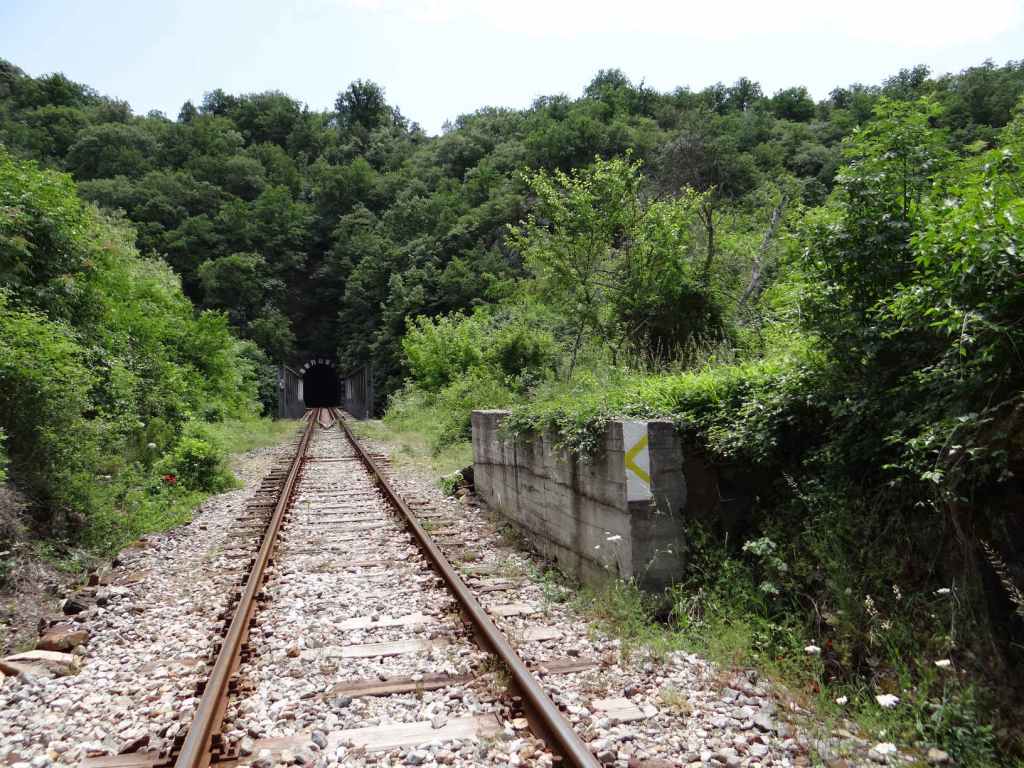
Not all trains are direct, sometimes it’s necessary to change in Radomir, but don’t worry, the connecting train waits for the train you are on to arrive. We drove to Radomir and took the train from there. A return ticket Radomir-Skakavica-Radomir cost a little over 2 euros! The stop before Skakavica is Zemen, where there is a famous Monastery of St John the Theologian. The train then travels along a gorge created by the Struma, a stunning river that rises on the southern slopes of Mt Vitosha (the mountain that overlooks Sofia) and then travels to Greece, entering the Aegean Sea at the ancient site of Amphipolis. There are interesting rock formations. After fifteen minutes, you reach Skakavica station. Alight here, wait for the train to leave and then continue along the railway line in the same direction the train has just gone in (that is, south). It’s quite safe. This is a single-track railway, so there is no immediate danger of a train coming the other way. After fifteen minutes of walking along the railway, you will come to a short tunnel. Go through the tunnel and, before you reach the iron bridge crossing the river Struma and entering a second tunnel, on your right you will see a low concrete wall. The path to the waterfall starts here, at the end of the concrete wall.

Follow the path, which runs alongside the river Struma on your left – admire the river! – and in about fifteen minutes you will reach a signpost indicating a picnic area to the left (‘МЯСТО ЗА БИВАК’) and the waterfall to the right (‘КЪМ ВОДОПАДА’). Go right here. The path climbs a little, and you reach a wooden bridge over a stream on your left. This is the way to the waterfall. The wooden bridge is somewhat destroyed, but you can cross the stream just above the bridge. You must now climb some steps, which will take you to a small terrace, where you get a view of the gorge and the Struma on its implacable way to Greece. Continue uphill. The first turning on the left takes you to the bottom of the waterfall. If you continue uphill, you will come to an area just below the top of the waterfall. In both places, you are likely to get wet! But who cares, right? The experience is invigorating.

At the top of the waterfall is a small chapel dedicated to St Demetrius. This can be seen from below. Near the wooden bridge is a map of the area and a description of the local wildlife, with a couple of picnic tables in the shade. While we rested here, a bird kept us company with an astonishing succession of melodies and trills. This is Bulgarian nature at its best. It took us only forty minutes to get from the station to the top of the waterfall, and the walk is very pleasant. The waterfall in its entirety is seventy metres high. It is formed by the Shiroki Dol river, which then joins the Struma below on its journey to Greece. At a distance of about six kilometres from the waterfall is an old chapel dedicated to the Assumption of the Virgin Mary, near the village of Ruzhdavitsa, which we didn’t go to. All in all, a fantastic day out.

A note of warning: when you head back to Skakavica station, allowing about an hour to get there, so you have plenty of time, the path along the Struma back to the railway line divides at one point, and it is very tempting to take the left branch that heads uphill (and, for all I know, goes to the railway station), but if you want to go back the way you came, you must take the right branch. In a couple of minutes, you’ll be back at the railway. Provided you’ve left enough time, there is no danger of coinciding with the train, but obviously caution is required.

The path alongside the railway, after you leave Skakavica station.
The tunnel.
The low concrete wall. The path to the waterfall starts here.
The waterfall in the distance.
Fifteen minutes after you leave the railway, the path divides. Head right to the waterfall (‘КЪМ ВОДОПАДА’).
The steps leading up to the waterfall.
The small terrace overlooking the gorge formed by the Struma River.
The top of the waterfall.
The view from the top of the waterfall, with the Struma River in the distance.
The bottom of the waterfall.
Polska Skakavitsa Waterfall.
Heading back to the railway, the path divides. Keep right in order to reach the railway!
The path as it descends to the railway.