In this tenth video on “Theological English”, Jonathan Dunne looks at the shape of letters in the alphabet and how this can be used to make word connections. Just as the order of letters was borrowed in part from Egyptian hieroglyphs, so the shape of some of our capital letters was taken from here. This video focuses on the similarity between lower-case letters, which can be turned back to front, upside down, or continued. This enables us to make connections between birth and death, the Old and New Testaments, opposites such as “north” and “south” or “east” and “west”, and love and money. Language is full of information, words carry spiritual meaning, we only have to have “eyes” to “see” it.
To access all the videos in this course, use the drop-down menu “Theological English (Video Course)” above. The videos can be watched on Vimeo and YouTube.
In this ninth video on “Theological English”, Jonathan Dunne looks at the order of letters in the alphabet and how this can be used to make word connections. It was foreign workers in Egypt in the second millennium BC who came up with the idea of using not hieroglyphs for writing (hieroglyphs represented words or syllables), but letters that represented individual sounds, a much more cost-effective way of writing, since you only need 20-30 letters to write down the different words, but hundreds of hieroglyphs. This idea was taken on by the Phoenicians, the traders of the ancient world, from where it passed to Greece and Rome, becoming the Latin alphabet we use today.
To access all the videos in this course, use the drop-down menu “Theological English (Video Course)” above. The videos can be watched on Vimeo and YouTube.
In this eighth video on “Theological English”, Jonathan Dunne continues looking at the spiritual content of language – this time, word connections made by changing the consonants, the “flesh” of language (consonants are produced by obstructing the breath with the lips or tongue, that is with the flesh). The devil would make us differ, while the father would gather us together. Human law is to protect private property, while divine law is to love God and to love our neighbour. God is love (eros-zero).
To access all the videos in this course, use the drop-down menu “Theological English (Video Course)” above. The videos can be watched on Vimeo and YouTube.
In this seventh video on “Theological English”, Jonathan Dunne continues looking at the spiritual content of language. Speech, like creation (Genesis 2:6-7), is made up of three elements: breath (the letter “h”), water (the vowels – hold a vowel sound and water will collect in your mouth) and flesh (the consonants, made by obstructing the passage of breath with the lips or tongue – that is, with the flesh). Here we see examples of word connections made by changing the vowels according to where they are pronounced in the mouth.
To access all the videos in this course, use the drop-down menu “Theological English (Video Course)” above. The videos can be watched on Vimeo and YouTube.
At 85 metres, Bovska Skaklya (‘Bov Waterfall’) is one of the highest in Bulgaria. Like Polska Skakavitsa, it can easily be reached by train from Sofia. The journey takes an hour, and there are regular services during the day (see the excellent Bulgarian State Railways website for train times, https://www.bdz.bg/en).
Bovska Skaklya is located at the halfway point between the villages of Bov (down below) and Zasele (up above). An ecopath has been built between these two villages to incorporate the waterfall and is named after the famous Bulgarian poet Ivan Vazov, who apparently used to enjoy walks in this area. There is some suggestion that you should descend from the village of Zasele, make your way down to the waterfall and the village of Bov and then climb back up again. Since it seems to me to make more sense to get the climbing in early in the day, I suggest starting in Bov. Also, Bov is the stop on the railway line from Sofia and is on the main road from Svoge to Mezdra, the II-16.
If you insist on starting in Zasele, located above the waterfall, then you will need a car. As you leave the village of Tserovo, five kilometres after Svoge, there is a turning left signposted for Zasele (7 km). Follow this winding road uphill until you come to the centre of Zasele, where there is a tarmac square. The ecopath starts from here.
Otherwise, continue to Bov, three kilometres after Tserovo. Ignore the turning right, signposted Gara Bov (‘Bov Station’), and continue on the main road for another 400 metres, taking a turning left signposted for Skaklya. This narrow road continues for 1.4 km to the start of the ecopath, but be careful. 200 metres before the end of the road, the road divides – keep left, going uphill, until you come to a small area next to a house, with the river on your right, where you can park the car. For those travelling by train, alight at Gara Bov and walk 400 metres down to the main road (leave the station, turn right, go under the railway and follow the road as it veers right and crosses the River Iskar). Once you reach the main road, turn right, continue for 400 metres until you reach the turning for Skaklya and then follow the previous directions.
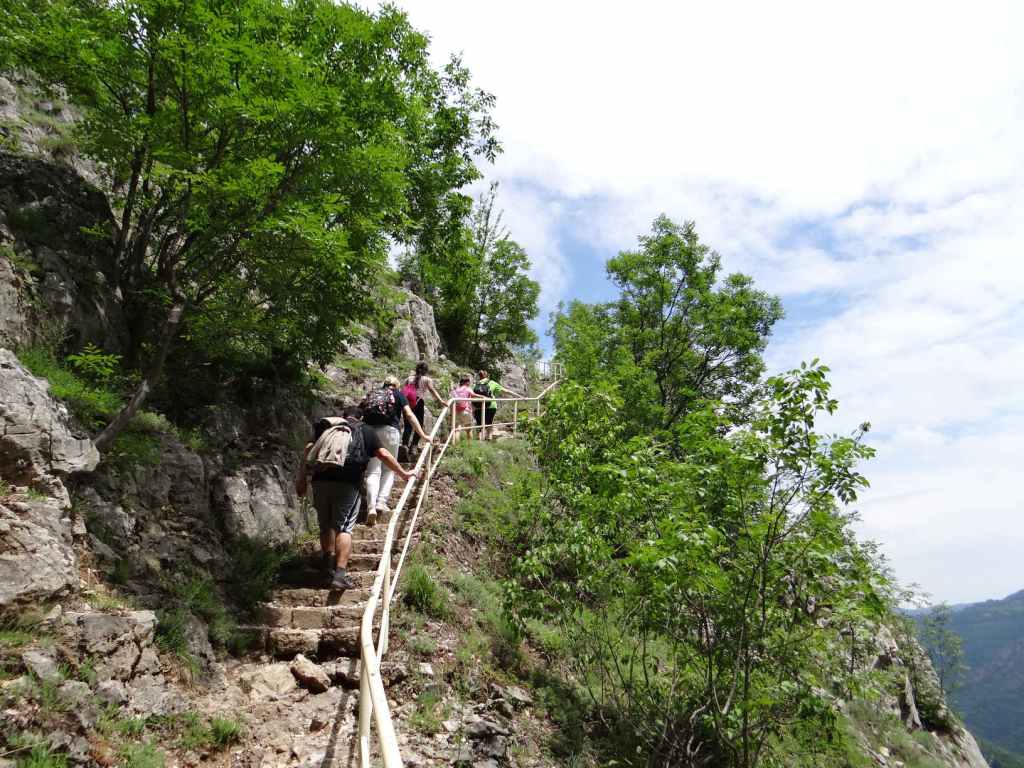
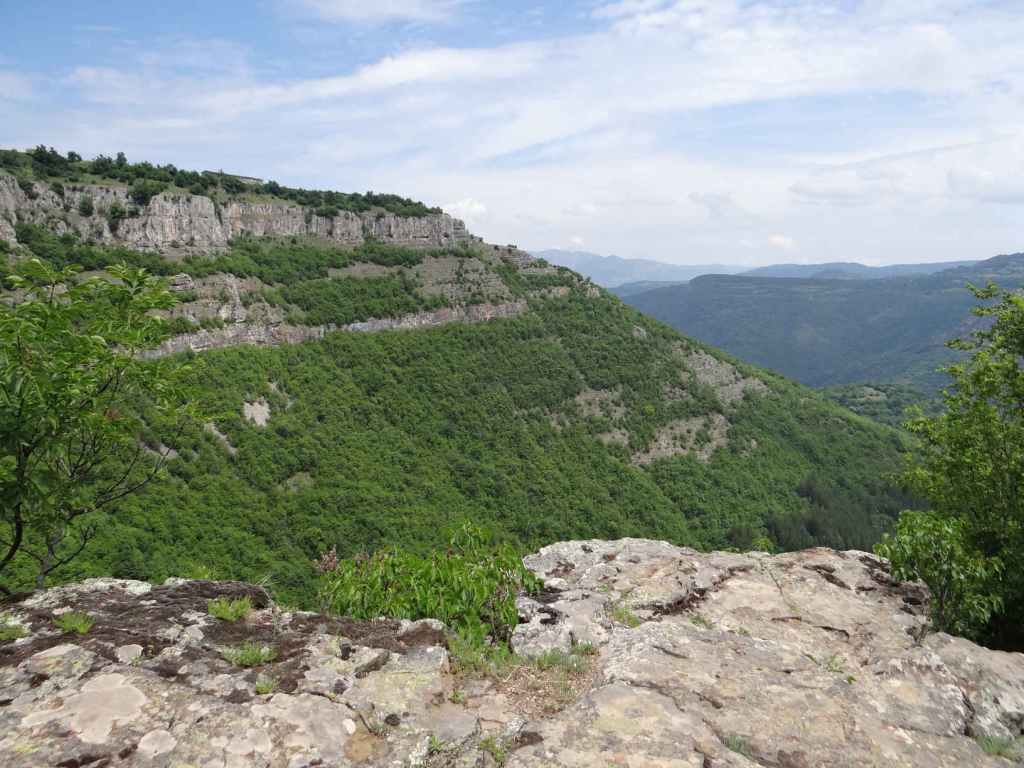
From where you park the car, you have a forty-minute steady climb through the forest to the bottom of the waterfall. The forest is magical, and there are some wonderful views back the way you have come. Once you reach the waterfall, another forty-minute climb, slightly stiffer this time, will take you to the top. As you get higher, there are steps and a railing to hold onto. You really get an impression of the height of the waterfall because you are climbing it! At the top is an open area of grass with several picnic tables. Continue to the village of Zasele, perched on top of the rock, and you will come across one or two restaurants and guest houses if you wish to stay the night (though I understand you have to book ahead).
The best time for visiting waterfalls is immediately after the snow melts – second half of April, first half of May. This is when the flow of water is at its strongest. We went at the beginning of June, so already the flow had declined somewhat. In autumn, it becomes a trickle. We first visited the waterfall ten years ago, in November. There wasn’t much water left, but the autumnal colours of the trees more than made up for the lack of watery fireworks!
Bovska Skaklya is not far as the crow flies from another waterfall, Dobravitsa (except that for Dobravitsa, you have to leave the main road in Svoge and follow the signs for Iskrets and Breze). From Gara Bov, another ecopath takes you to the waterfall Pod Kamiko. This ecopath starts from the stadium in Gara Bov and is circular, so you don’t have to come back the way you went (see the map on the road outside the station).
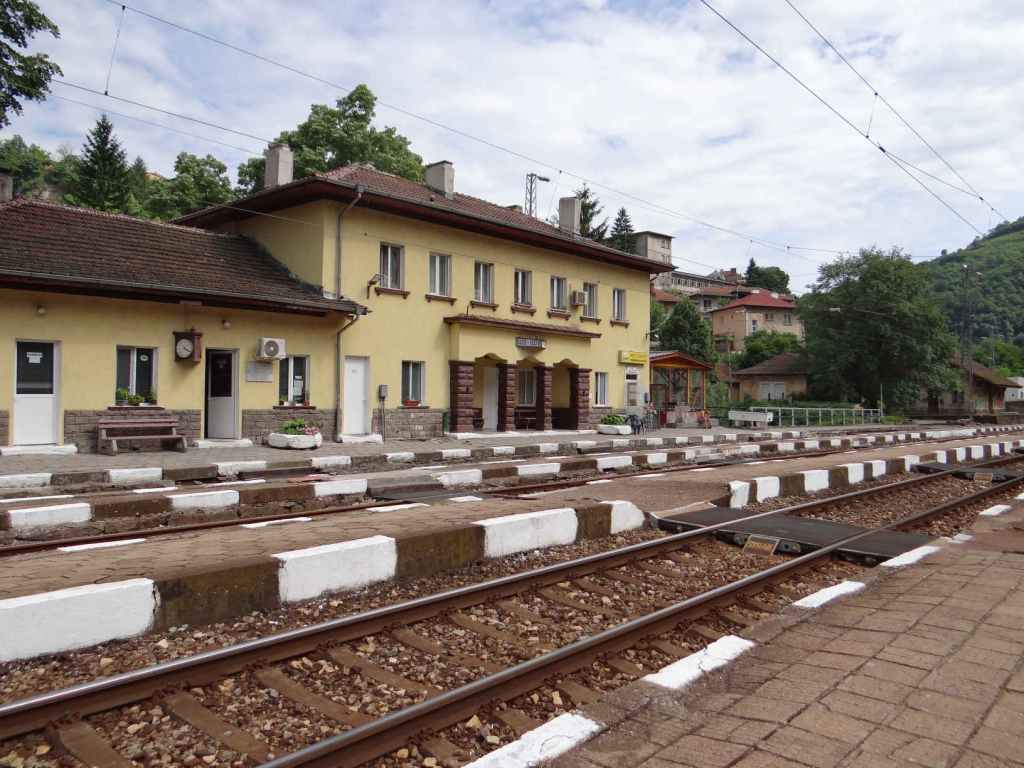
Gara Bov.
The turning for Skaklya. There is also a sign saying ‘Touristic Road “Vazov’s Path”, 1.4 km’.
200 metres before the ecopath begins, the road divides – keep left here.
There is a small area to park the car where the road peters out and the ecopath begins.
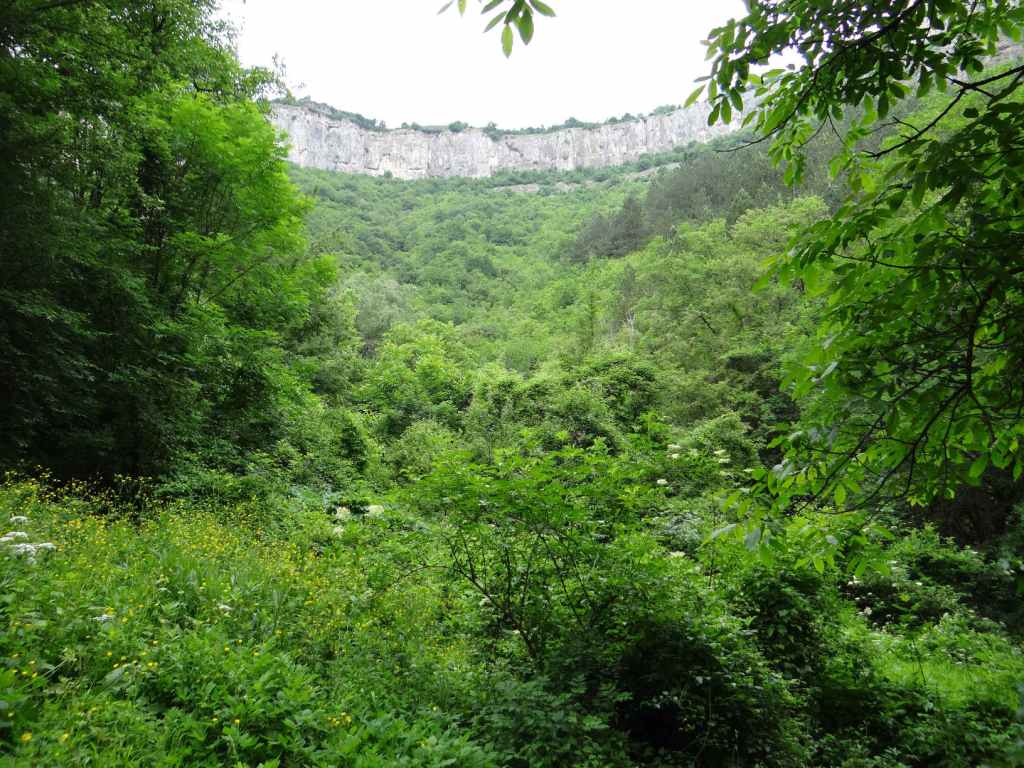
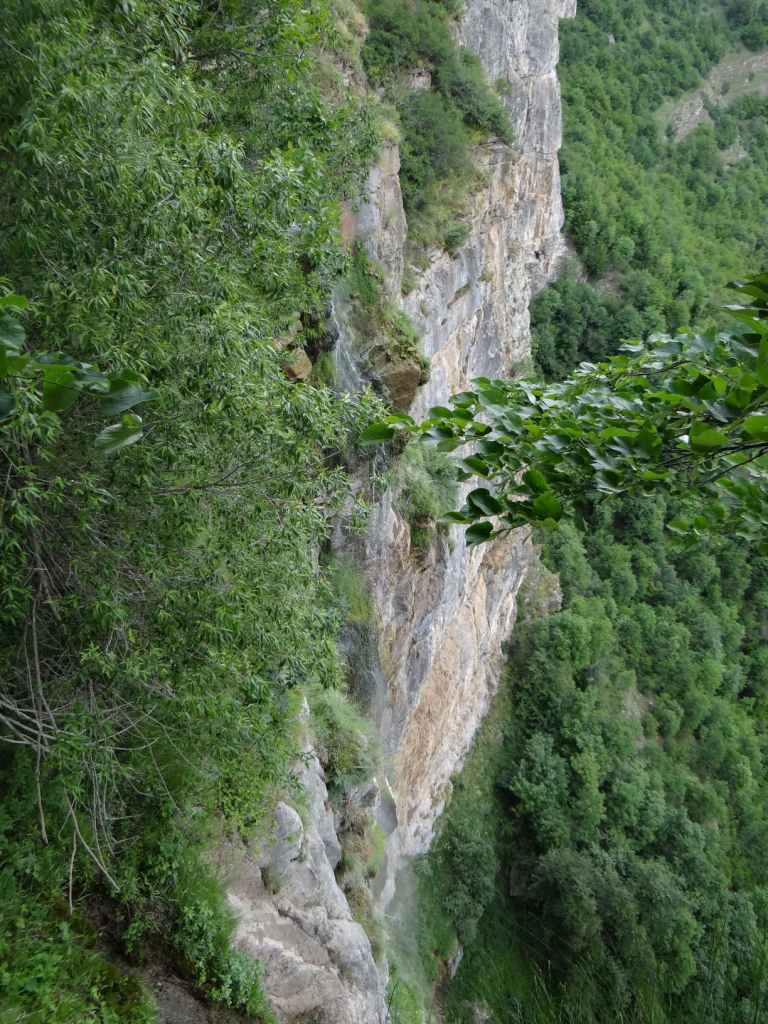
A view from the ecopath of the rocks up above.
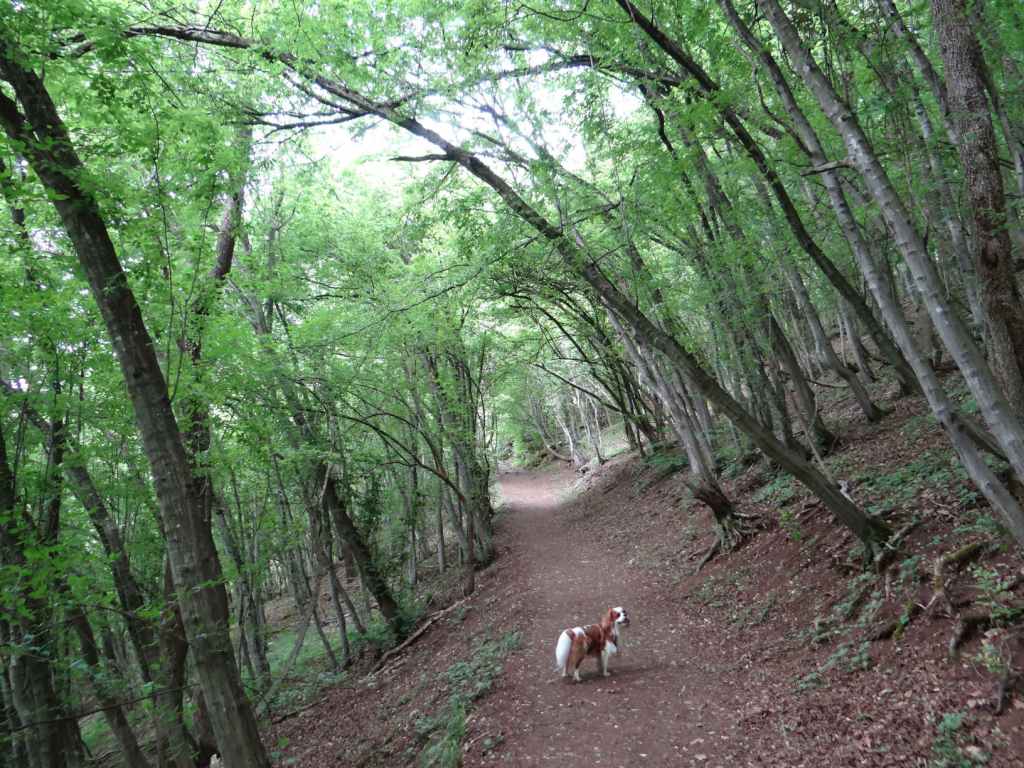
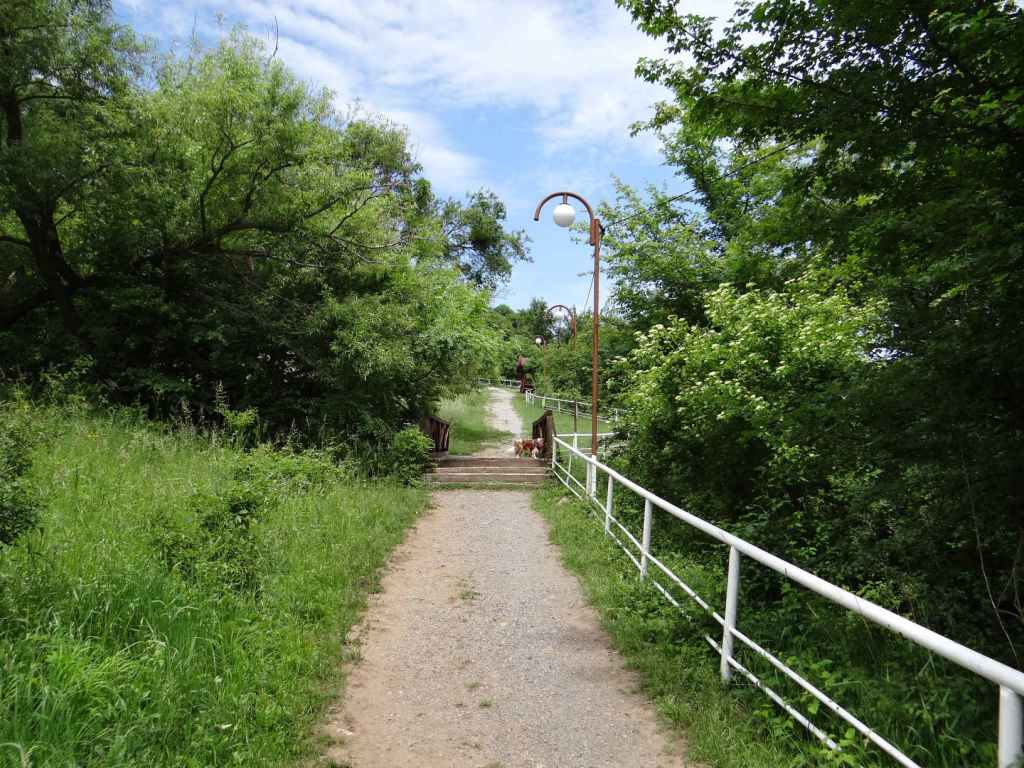
The path as it passes through the forest.
The waterfall in the distance.
Arriving at the waterfall.
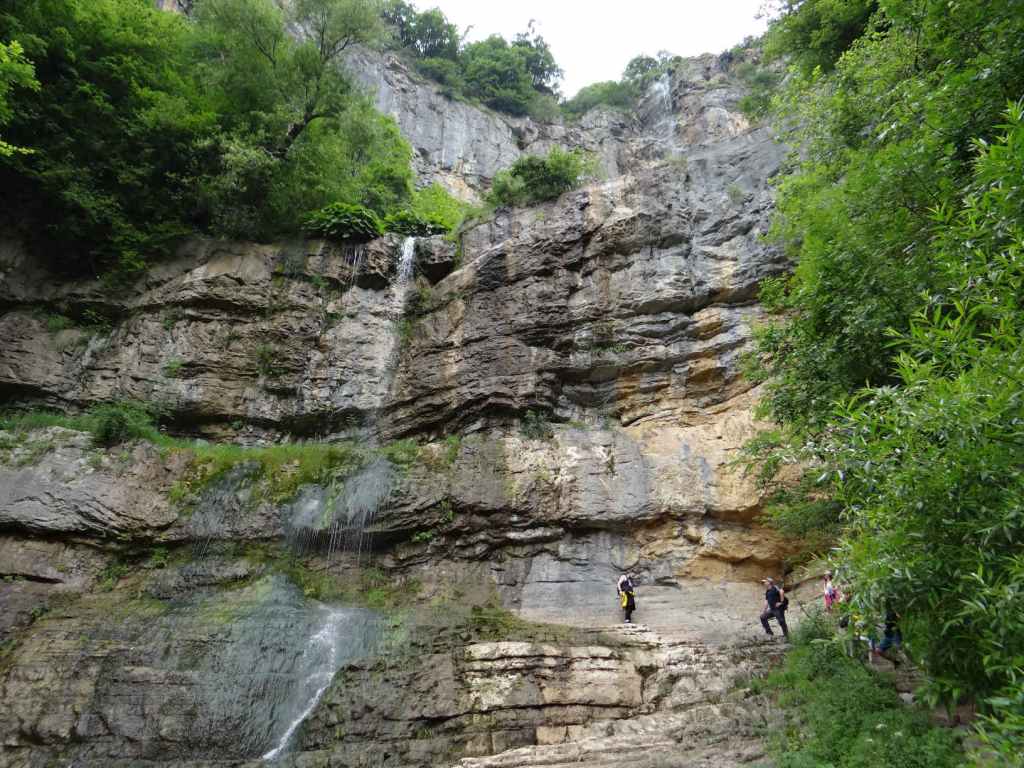
Bovska Skaklya, seen from below.
From here, the path continues to the top of the waterfall and the village of Zasele.
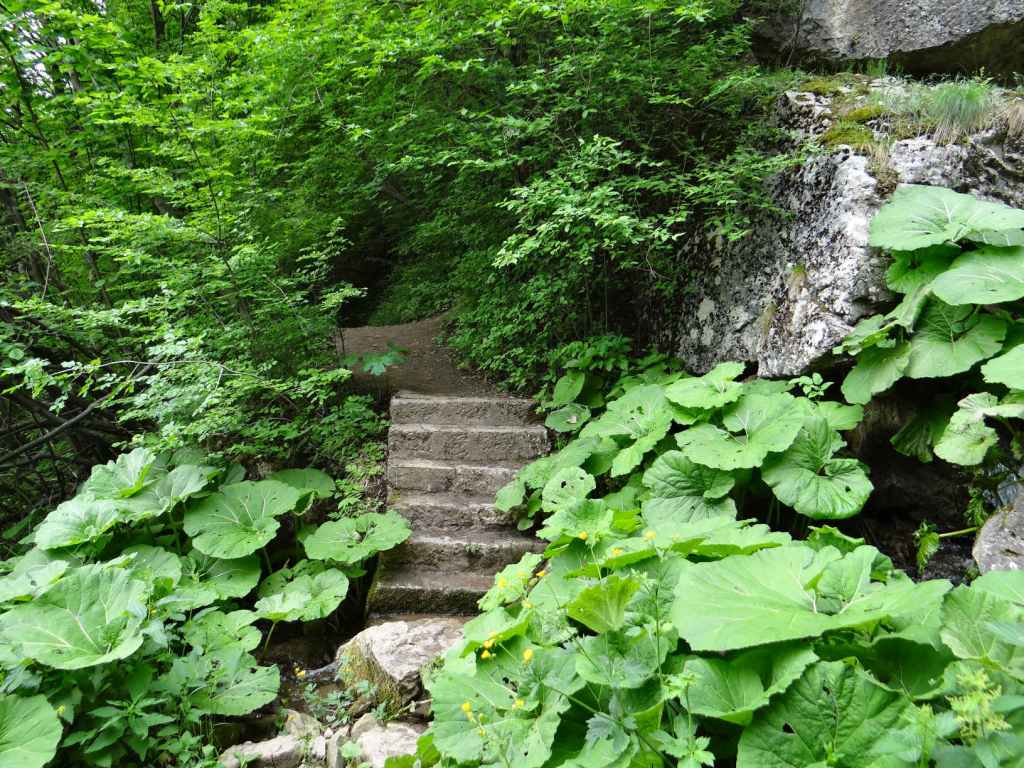
This path has steps and a railing.
The view near the top.
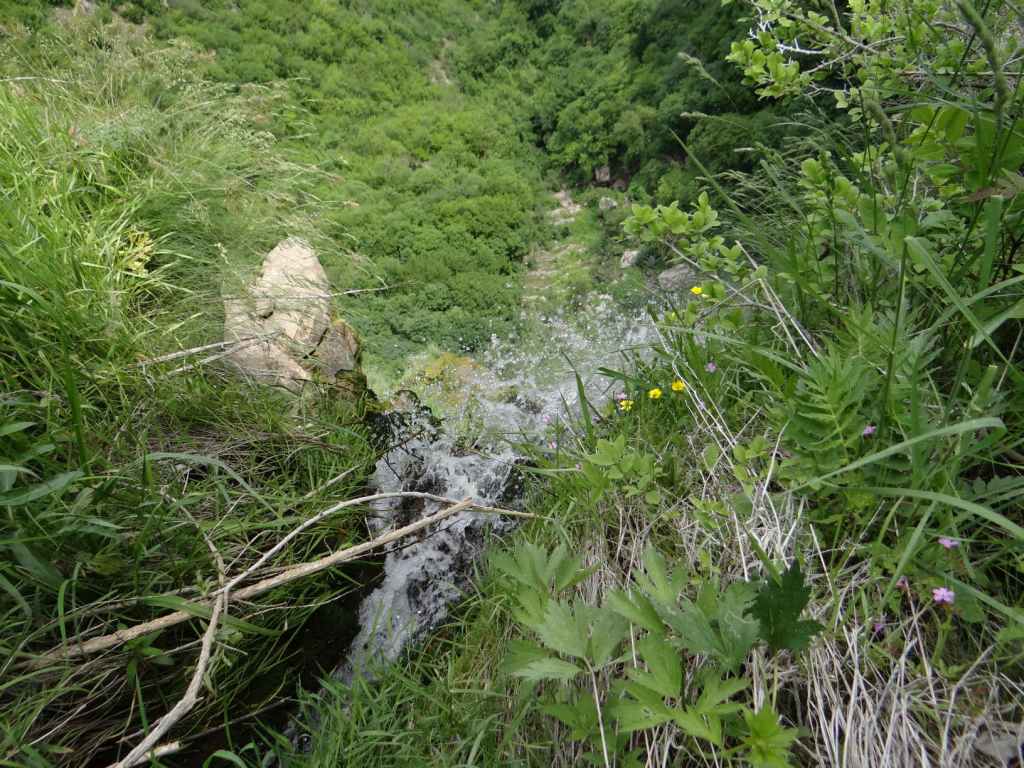
The top of the waterfall – the stream passes under the bridge and tumbles down 85 metres.
In this sixth video on “Theological English”, Jonathan Dunne continues looking at connections between words in the English language, again using the same letters, but this time changing their order, rearranging the letters. Once we rearrange the letters, sometimes reading the words back to front, we can no longer claim that the connection is because of etymology, the evolution of words over time, with us as the cause of their development. Spiritual meaning is hidden, so in order to discover this meaning we must be willing to make slight changes to the words – changes, however, that always follow a fixed set of rules (phonetics, alphabet, appearance).
To access all the videos in this course, use the drop-down menu “Theological English (Video Course)” above. The videos can be watched on Vimeo and YouTube.






 Stones Of Ithaca